
Why are electronic water pumps so popular in the market?
Electronic water pumps have gained popularity in the market in recent years, primarily driven by the dual forces of technological advancements and market demand. The following three core factors explain its popularity:
1. Explosive demand in the new energy industry
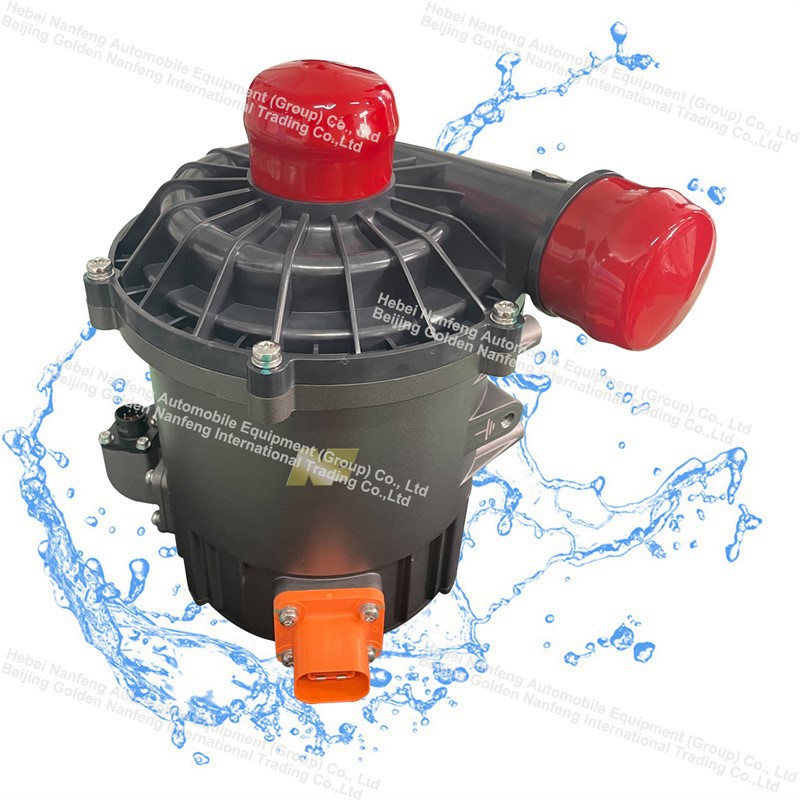
With the surge in sales of electric vehicles, electronic water pumps, as the core component of the thermal management system, have replaced traditional mechanical water pumps. New energy vehicles require precise control of the temperature of battery packs, motors, and electronic control systems. Electronic water pumps have become an irreplaceable solution with their variable frequency speed regulation capabilities (power consumption is reduced by more than 30%) and flexible layout characteristics.
2. Energy efficiency revolution and intelligent upgrade
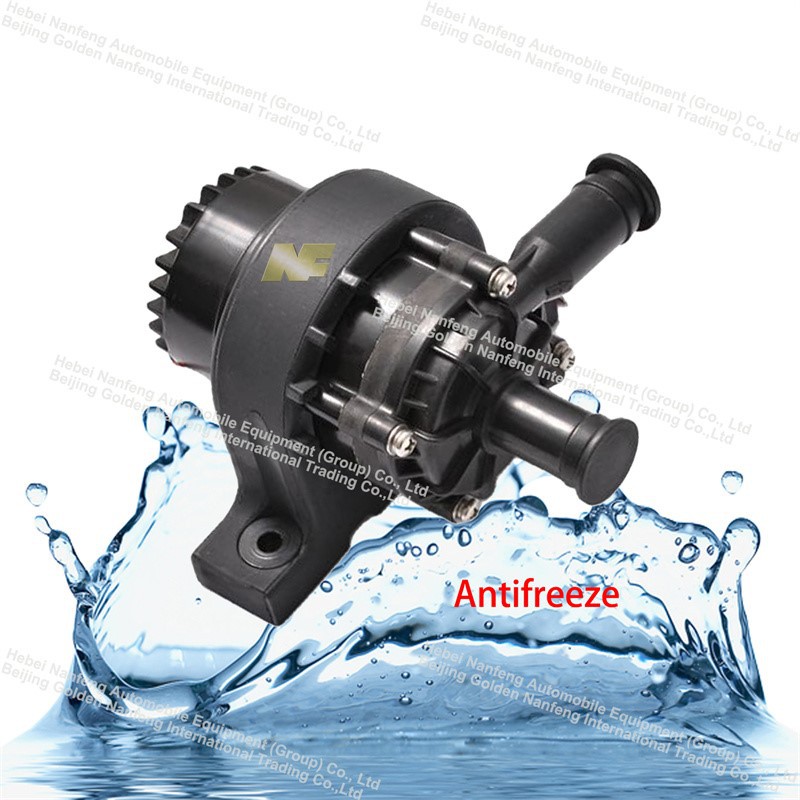
Compared with mechanical water pumps, electronic water pumps can achieve 0-100% stepless speed change through ECU control, avoiding the "over-circulation" waste of traditional water pumps and improving energy saving by 40%. After integrating temperature and pressure sensors, AI-driven predictive maintenance can be achieved, aligning with the intelligent trend of industrial 4.0 equipment. Data from a leading manufacturer shows that the premium of intelligent products can reach 25%, but the life cycle cost decreases by 18%.
3. Expansion of application scenarios in multiple fields
In addition to the automotive field, electronic water pumps continue to penetrate into hydrogen fuel cells (cooling demand increased by 300%), data center liquid cooling (global annual demand of 2 million units), home appliances (penetration rate of silent high-end dishwashers 35%), and other fields. The modular design makes it adaptable far beyond traditional products, forming a scale effect.
In the future, with the popularization of 800V high-voltage platforms and the commercialization of sodium-ion batteries, electronic water pumps will also evolve towards high voltage and miniaturization. The market penetration rate is expected to increase from 62% in 2024 to 89% in 2030, continuing to lead the transformation of fluid control technology.