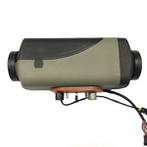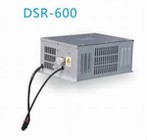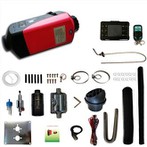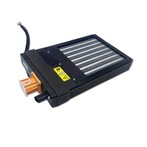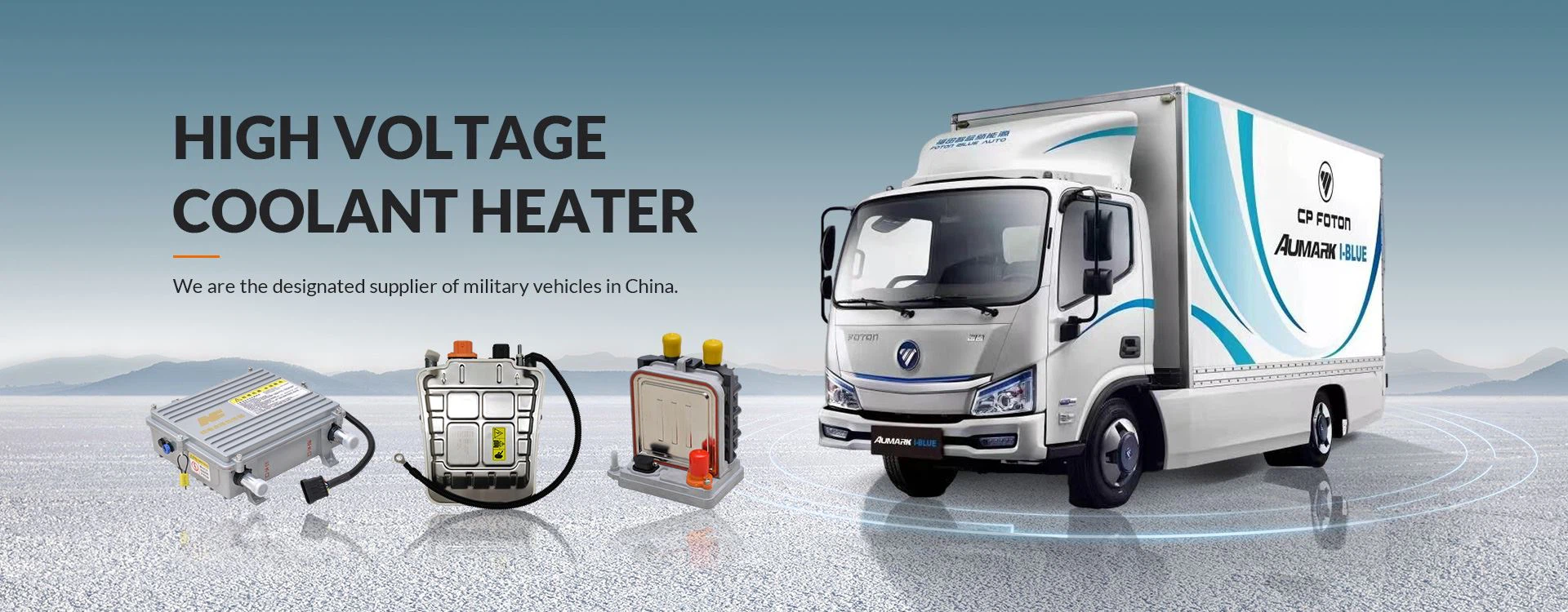
Core Functions of the High-Voltage Electric Defroster
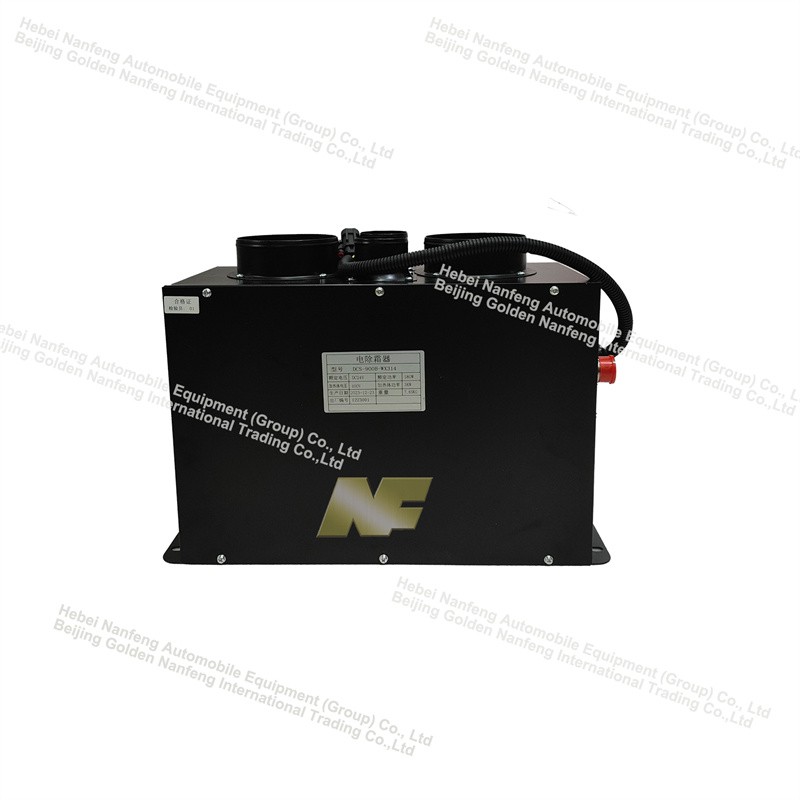
Rapid Defrosting and Defogging
Using an 800V high-voltage power supply (power of 3-8kW), it melts ice on the windshield in 30 seconds (compared to 3-5 minutes with conventional hot air), ensuring a clear view for the driver.
Infrared radiation defrosting maintains a temperature difference of ≤±2°C, preventing glass cracking due to uneven heating and cooling.
Intelligent Anti-fog Control
A humidity sensor, linked to the ECU, monitors the risk of window fogging in real time and proactively activates anti-fog mode (energy consumption is only 0.5kW).
Battery Low-Temperature Protection
Some models incorporate a battery preheating function (such as the Bosch HVHM module), which warms the battery to 10°C in 5 minutes at -30°C, restoring discharge capacity.
Why is this feature mandatory for electric buses? – Four Core Advantages
Safety and Compliance
Meets ECE R43 safety standard (defrost ≥80% of the clear view area every 20 minutes);
EU Directive 2003/97/EC mandates rapid defrosting of bus windshields.
Energy Efficiency Revolution
30% energy savings compared to PTC heating (electrical-to-heat conversion efficiency >95%), saving approximately 1200 kWh per vehicle in winter.
Recovers motor waste heat to compensate for energy consumption, improving overall energy efficiency by 15%.
System Integration
Interoperates with the bus thermal management system (TMS), sharing an 800V high-voltage platform and eliminating the need for additional power distribution.
Supports CAN J1939 protocol, providing real-time reporting of defrost status (e.g., fault code E01: Heating timeout).
All-weather adaptability
Operating temperature -40°C to 85°C, IP67 protection rating, and resistance to rain, snow, and salt spray.