Thick Film Heater Technology Explained
A Revolutionary Solution for Thermal Management of Electric Vehicles
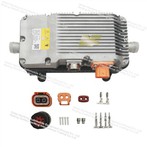
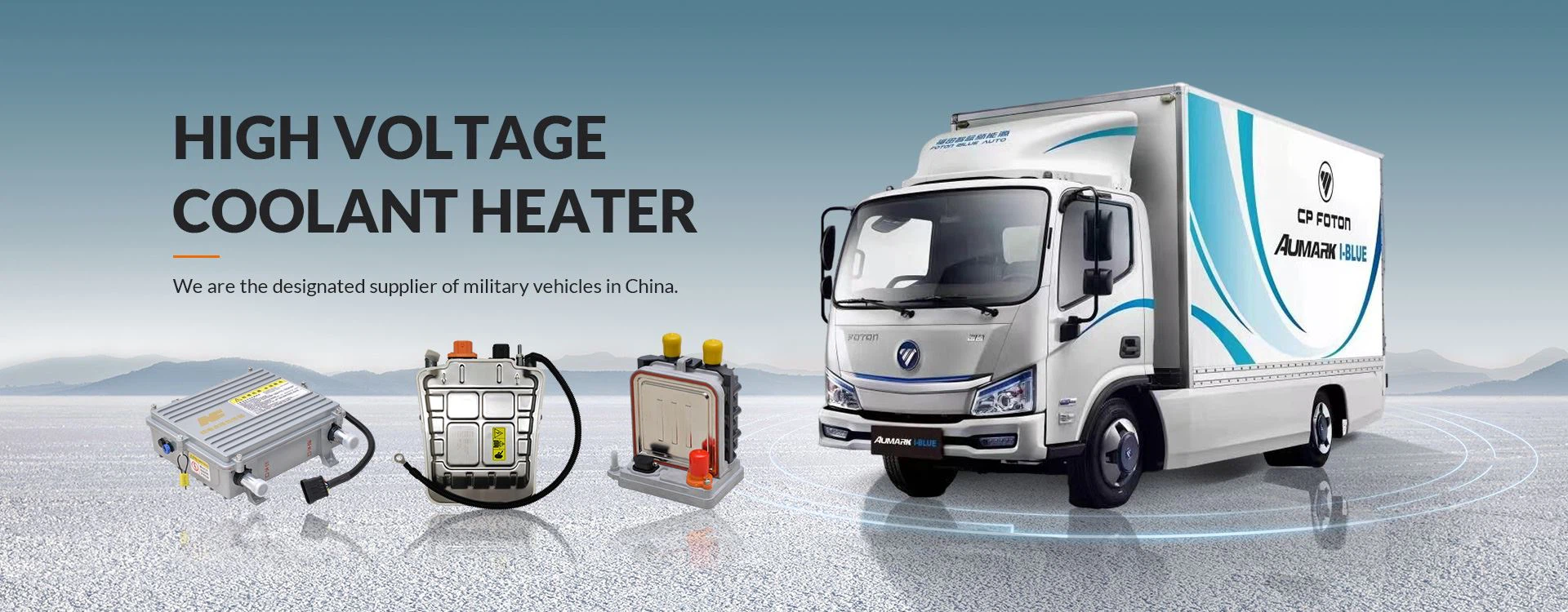
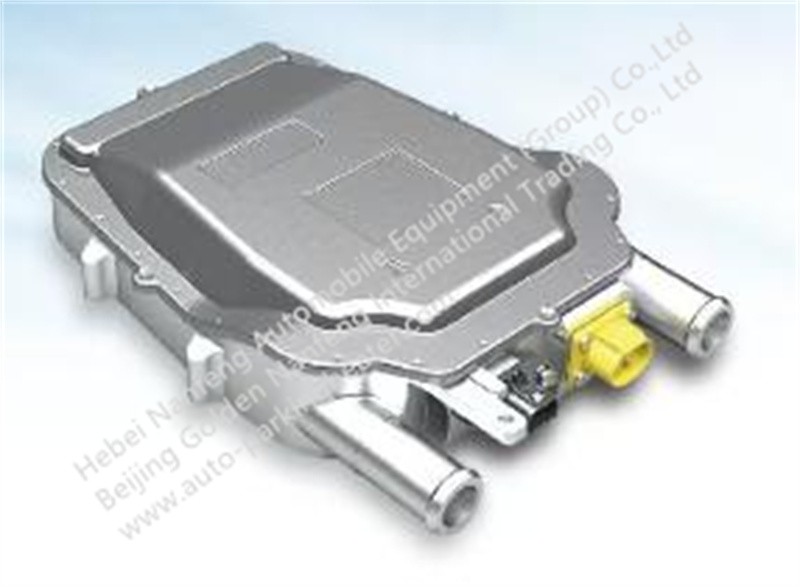
Thick Film Heater (TFH) is a high-efficiency electrothermal conversion device based on microelectronic printing technology. It forms a heating circuit by printing functional slurry on the surface of the substrate to achieve precise and rapid heat output. It gradually replaces traditional PTC heaters in scenarios such as electric vehicle battery preheating and cabin heating, becoming the preferred thermal management solution for 800V high-voltage platforms.
Core Application Scenarios of Electric Vehicles
Battery Low-Temperature Preheating
Integration Method:
Directly embedded in the liquid cold plate flow channel to heat the coolant (3–8 L/min);
Or adhere to the surface of the battery cell for radiation heating (such as the gap between blade batteries).
Performance Data:
In an environment of -30℃, the battery temperature is raised from extreme temperature to 15℃ within 5 minutes;
Low-temperature charging time is shortened by 40% (to prevent lithium precipitation).
Efficient cabin heating
Water heating solution: thick film heats coolant (>90℃), and blows hot air through the heater core;
Air heating solution: The heating module is placed in the air conditioning box, and the air blows directly to the thick film surface (reducing heat loss).
Energy saving effect: COP (energy efficiency ratio) reaches 0.95, and the endurance loss in winter is reduced to 8–10% (PTC is 25–30%).
Local directional heating
Steering wheel/seat: 0.5mm ultra-thin flexible thick film embedded in leather, heating to 30℃ in 10 seconds;
Windshield defrosting: printed on the glass interlayer, melts the ice in 45 seconds (traditional 3–5 minutes).
The irreplaceable nature of thick film technology
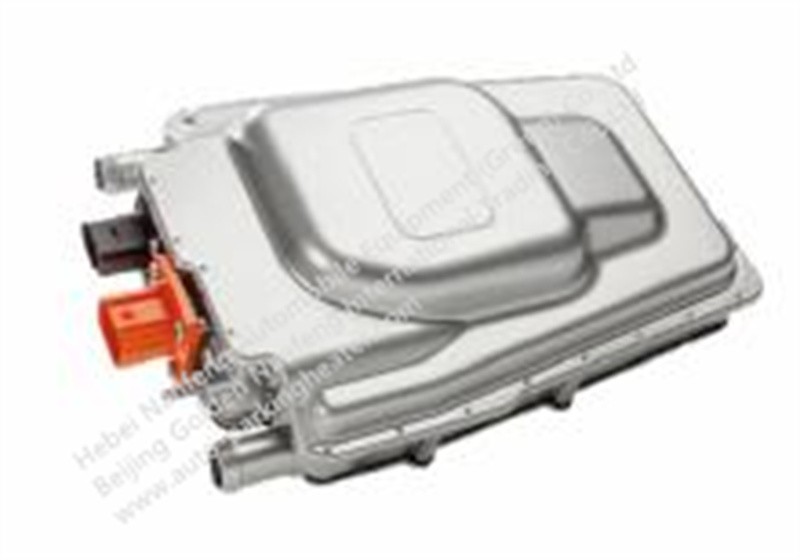
Thick film heaters have become the optimal solution to solve the pain points of electric vehicles' winter endurance with the three-in-one advantages of "millisecond response + 95% energy efficiency + 15-year life"
Performance crushing: 1,000 times faster than PTC heating, 30% lower energy consumption;
High voltage adaptation: the only heating technology compatible with the 800V platform;
System integration: Modular design reduces installation space by 40%.
Selection suggestion: high-end electric models give priority to thick film liquid heating solutions (battery + cabin dual heating), and mid-range models can be equipped with PTC heating to balance costs. With the localization of rare earth slurry and the upgrading of manufacturing processes, thick film technology will accelerate its penetration into the mainstream market.