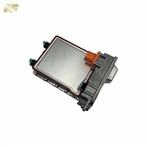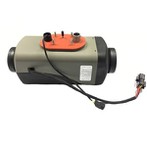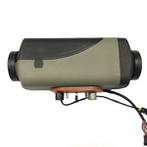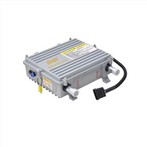
What are the application environments of electronic water pumps?
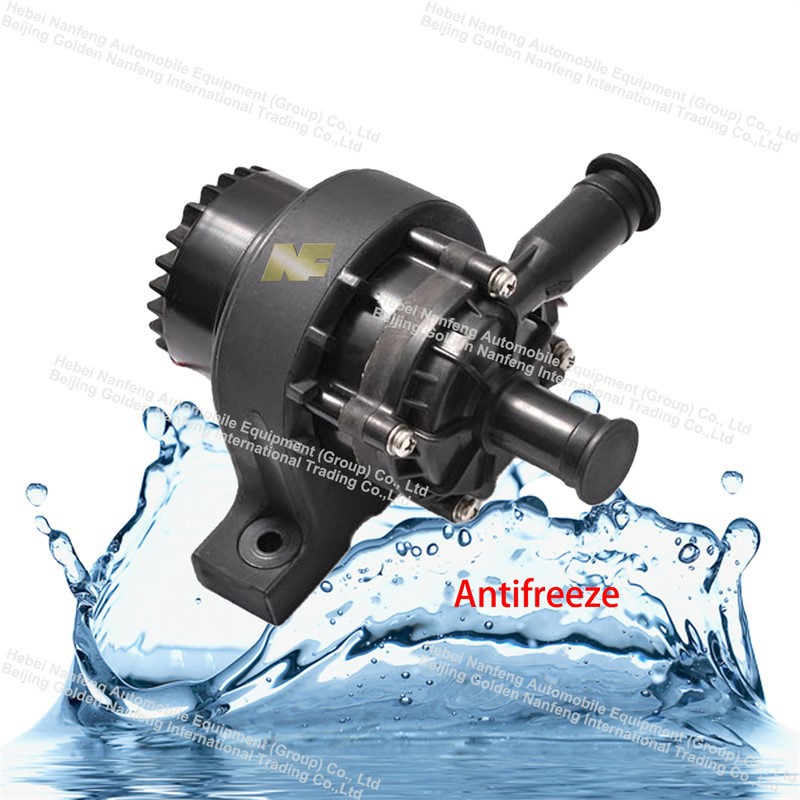
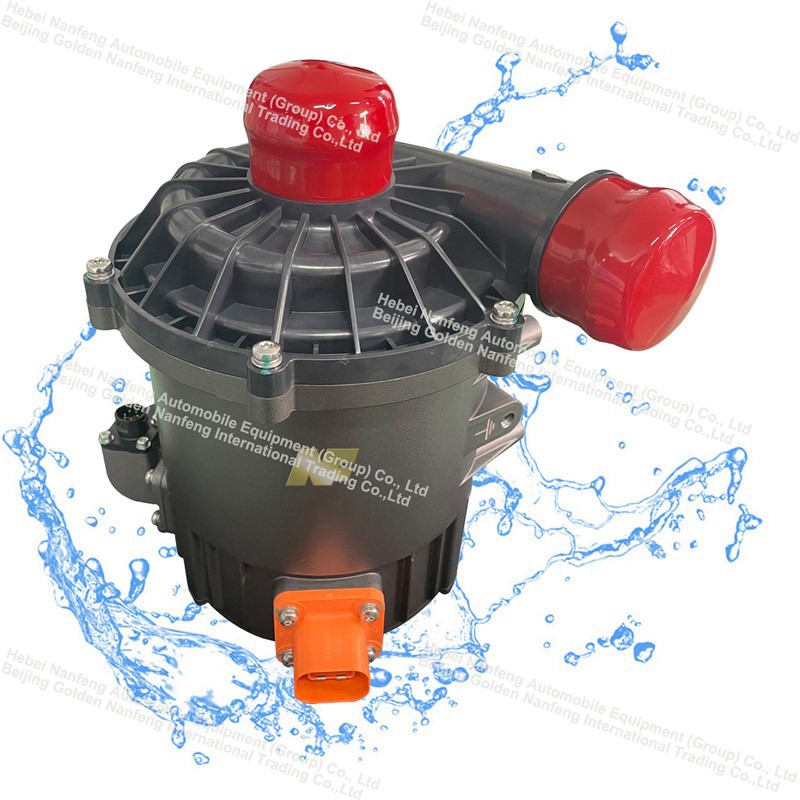
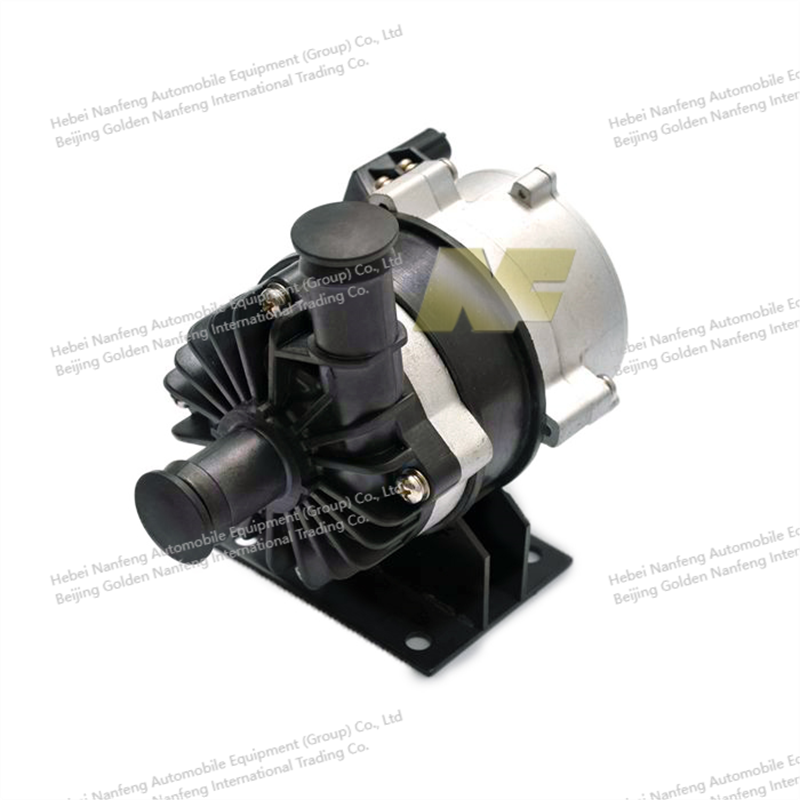
Electronic water pumps are widely used in the following fields due to their high efficiency and precise control performance:
1. Automobile Industry
(1) Traditional fuel vehicles: used in the engine cooling system (water temperature adjustment), the turbocharger intercooler system, and transmission oil circulation.
(2) New energy vehicles: pure electric vehicle battery pack/motor cooling, fuel cell stack humidity control, and improved thermal management efficiency.
(3) Intelligent thermal management: Dynamically adjust the flow through the ECU to reduce energy consumption.
2. Industrial field
(1) Mechanical equipment: Provide circulating cooling for CNC machine tools, laser cutting machines, and other similar equipment to prevent overheating.
(2) Chemical process: Accurately transport corrosive liquids and cooperate with sensors to achieve closed-loop flow control.
(3) Energy industry: Solar thermal systems, auxiliary cooling of nuclear power plants, etc.
3. Home appliances and HVAC
(1) Smart home appliances: silent water supply for high-end dishwashers and coffee machines; inverter refrigerator condensation cycle.
(2) Building HVAC: floor heating system zone temperature control, air conditioning refrigerant circulation, energy saving up to 30%.
4. Medical and scientific research
(1) Medical equipment: stable fluid delivery of dialysis machines and MRI cooling systems.
(2) Laboratory: biochemical analyzer reagent metering, high-precision micro pump flow error <1%.
5. Emerging fields
(1) Aerospace: miniaturized solutions for drone liquid cooling and satellite thermal control systems.
(2) Agricultural Internet of Things: on-demand irrigation of integrated water and fertilizer systems.
Electronic water pumps are gradually replacing mechanical pumps by integrating pressure and temperature sensors, as well as IoT communications (such as CAN bus). The global market size is expected to exceed US$8 billion in 2025 (MarketsandMarkets data), and its application scenarios continue to expand with the trend of intelligence.