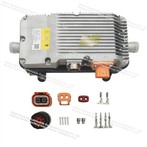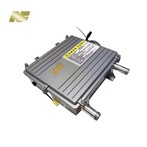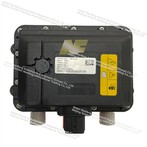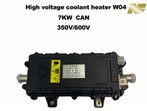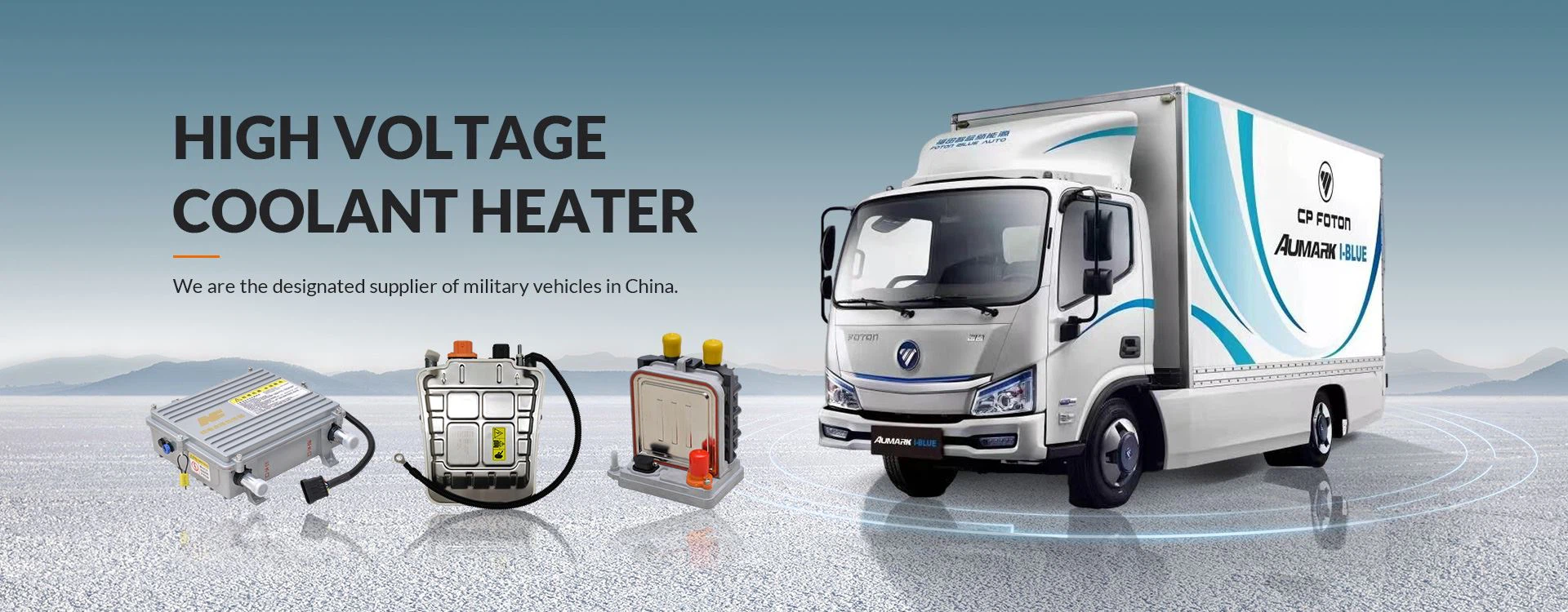
How to determine which type of heater is needed for new energy vehicles?
In new energy vehicles, the selection of PTC (positive temperature coefficient) heaters (PTC air heaters versus PTC water heaters) must consider vehicle design, energy efficiency requirements, comfort, and cost. The following is a specific judgment method:
1. Heating requirements and system architecture
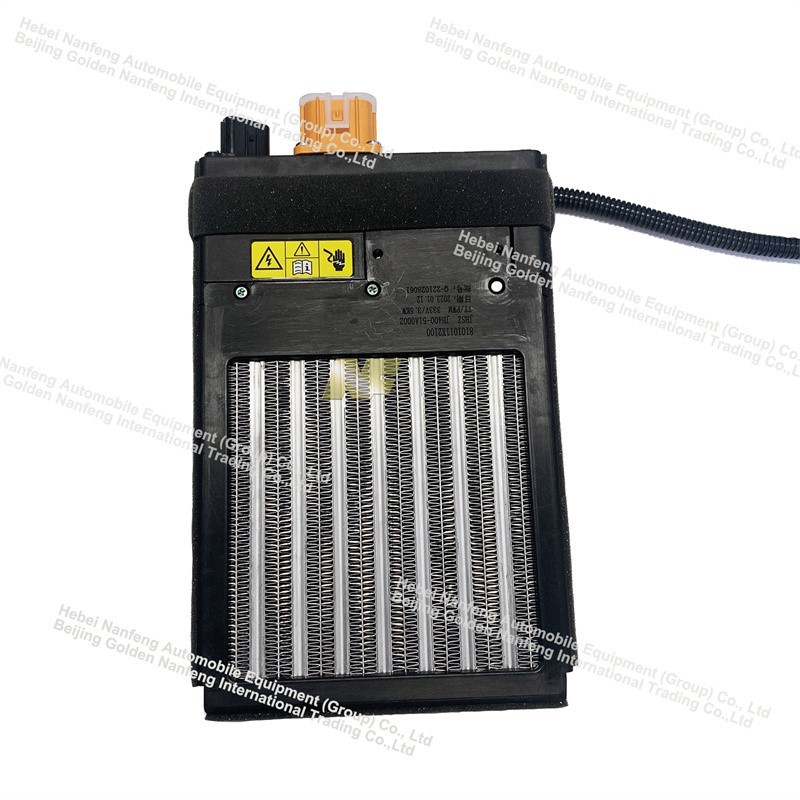
(1) PTC air heater
① Direct air heating: cold air flows through the PTC element and is blown directly into the vehicle compartment. It has a simple structure and fast response (no intermediate medium is required).
② Applicable scenarios:
Small cars or short-distance vehicles (sensitive to heating speed and requiring low system complexity).
Vehicles without heat pumps or waste heat recovery systems.
Battery temperature control requirements are low (only passenger compartment heating).
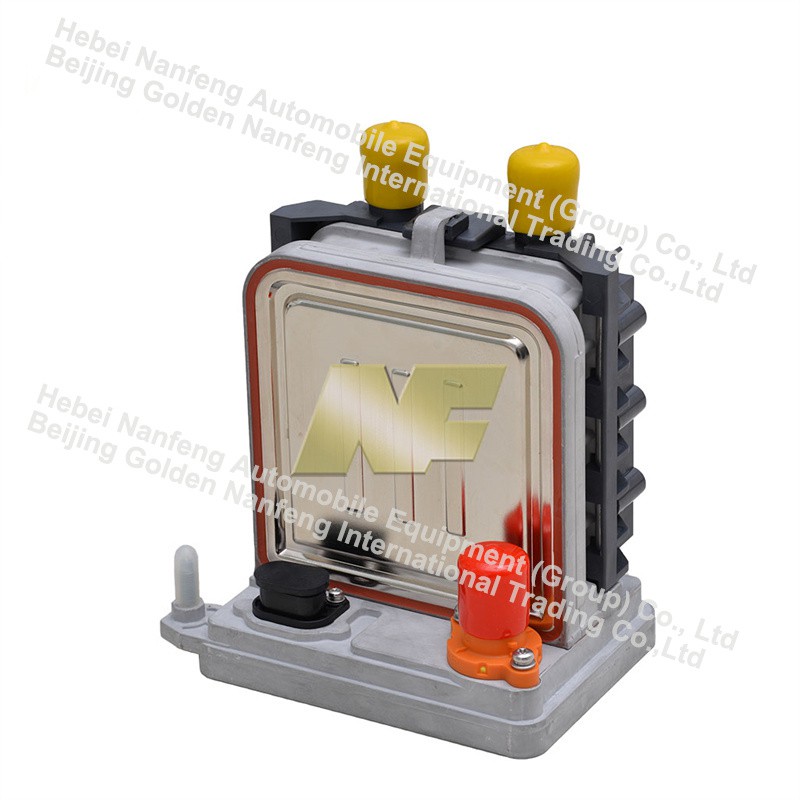
(2) PTC water heater
① Indirect heating: first heat the coolant, then heat the cabin through the radiator, and at the same time provide preheating for the battery pack.
② Applicable scenarios:
Mid- to high-end models (integrated thermal management system requirements).
Cold areas (need to meet both battery and passenger compartment heating).
Used with a heat pump system (as an auxiliary heat source).
2. Impact of energy efficiency and range
(1) PTC air heater:
①High energy consumption (directly heating air with electricity, energy efficiency ratio ≈ 1).
②Suitable for short-distance or plug-in hybrid vehicles (small battery capacity, but the impact on range is controllable).
(2) PTC water heater:
①Slightly better energy efficiency (heat can be evenly distributed through liquid circulation, reducing local overheating losses).
②Suitable for pure electric vehicles (range needs to be optimized, especially in low temperature environments, battery heating has a higher priority).
3. System Integration Complexity
(1) PTC air heater:
Independent installation (usually integrated in the air conditioning duct), no additional piping required, simple maintenance.
(2) PTC water heater:
Needs to be connected to the vehicle cooling circuit (shares piping with batteries, motors, etc.), complex design, high cost, but conducive to overall thermal management.
4. Cost and space
(1) PTC air heater: low cost (about 50%-70% of a water heater) and small space occupation.
(2) PTC water heater: high cost (requires pumps, valves, pipes, etc.), but can reuse existing cooling systems.