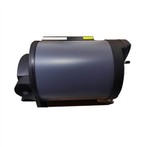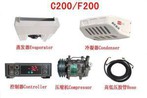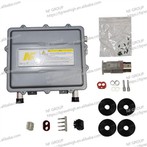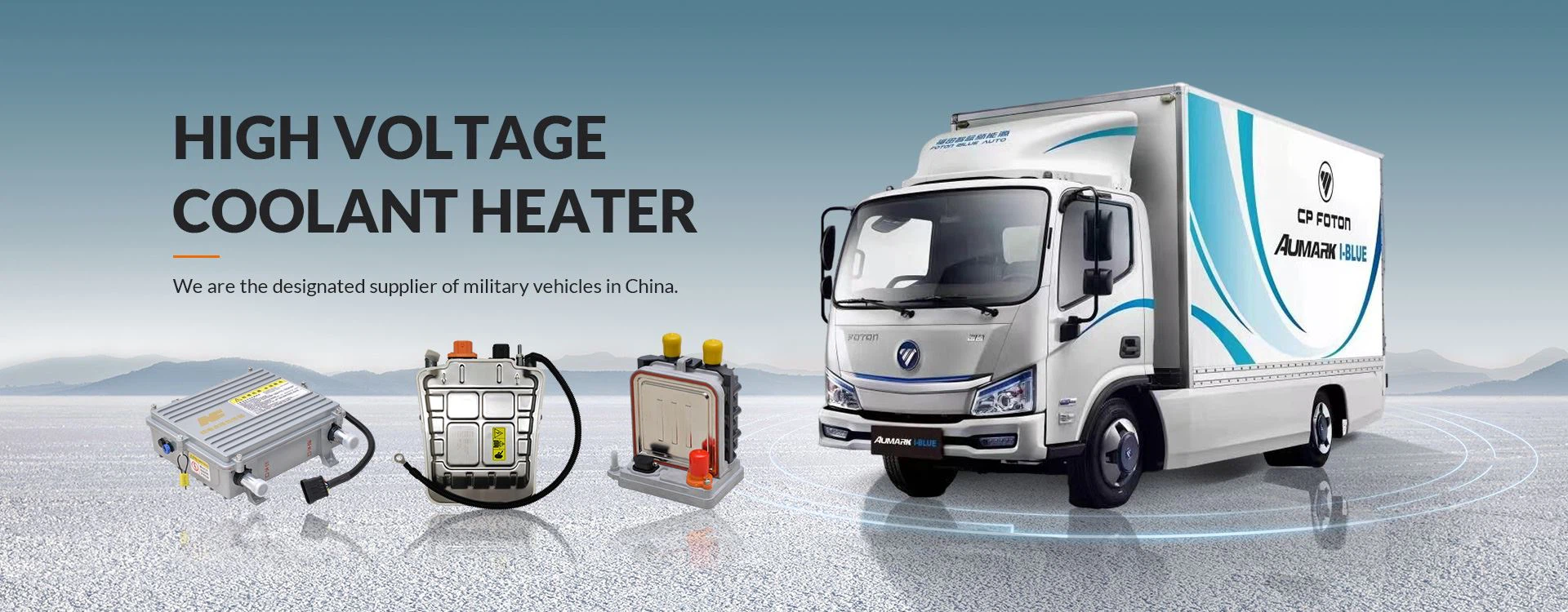
The difference between an electronic water pump and a mechanical water pump
The difference between the electronic water pump of new energy vehicles and the traditional mechanical water pump is mainly reflected in the driving mode, control logic, energy efficiency, and applicable scenarios. The specific comparison is as follows:
1. Driving mode
(1) Mechanical water pump: driven by the engine crankshaft belt, the speed is bound to the engine speed, cannot be adjusted independently, and there is power waste.
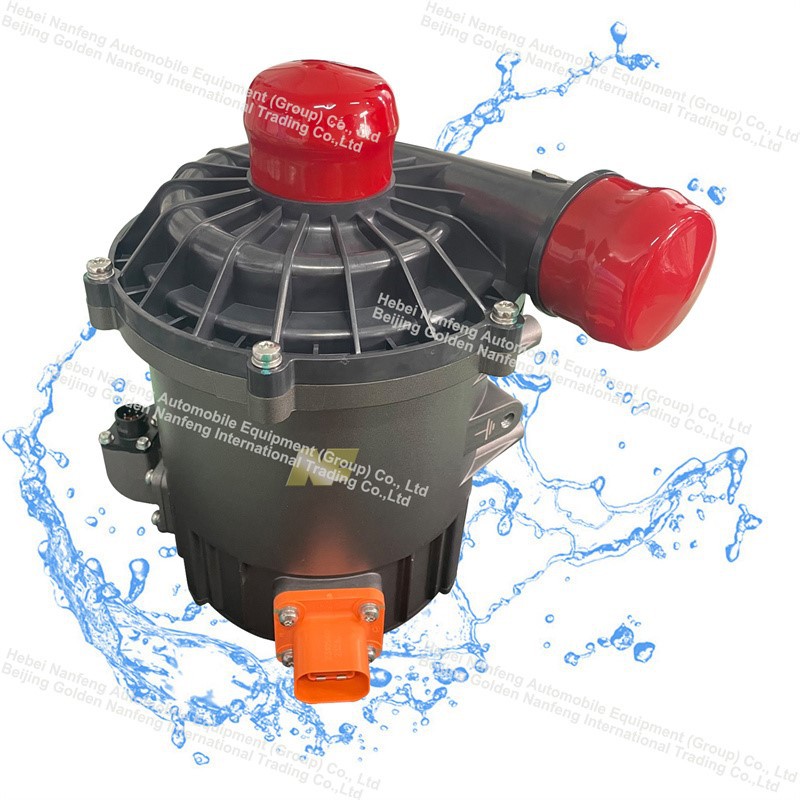
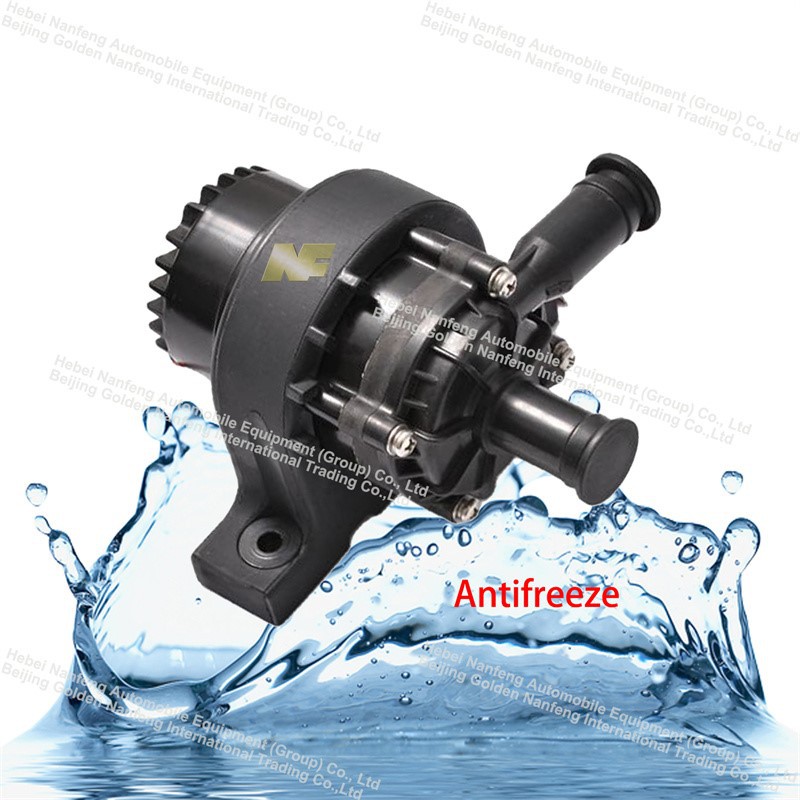
(2) Electronic water pump: directly driven by the motor, independent of the engine operation, powered by the battery in new energy vehicles, and can freely control the start and stop, and speed.
2. Control logic
(1) Mechanical water pump: The flow rate and pressure change linearly with the engine speed, which may lead to insufficient cooling or overheating during cold start or low speed.
(2) Electronic water pump: Through ECU intelligent control, the coolant flow rate is adjusted on demand (such as battery/motor temperature requirements), supporting precise temperature control and faster response.
3. Energy efficiency and energy saving
(1) Mechanical water pump: Continuous operation, high energy consumption, and low efficiency (about 60%).
(2) Electronic water pump: Start and stop on demand, reduce useless work, efficiency can reach more than 90%, significantly reduce energy consumption, and extend the endurance of new energy vehicles.
4. Applicable scenarios
(1) Mechanical water pump: Only applicable to traditional fuel vehicles, with a single function.
(2) Electronic water pump: Adapt to the multiple cooling circuit requirements of new energy vehicles (such as batteries, motors, and electronic control systems), and support complex thermal management strategies.
5. Maintenance and life
(1) Mechanical water pump: Relies on belt drive, is prone to wear, and requires regular maintenance.
(2) Electronic water pump: no mechanical wear, longer life, and low maintenance cost.
Summary: Electronic water pumps, with their advantages of intelligence, high efficienc,y and energy saving, are more in line with the electrification and intelligence needs of new energy vehicles and are the mainstream technology direction in the future.