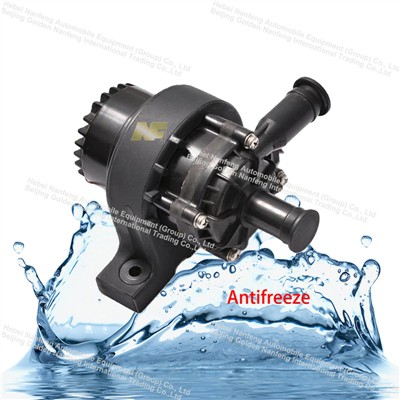
Application of an electronic water pump
Application scenario - fuel vehicle
The thermal management system of a fuel vehicle mainly consists of the engine cooling subsystem, gearbox cooling subsystem, intake and exhaust thermal management system, and air conditioning subsystem. The engine cooling subsystem generally consists of a radiator, cooling fan, thermostat, water pump, expansion tank (or storage tank), coolant pipeline, water jacket in cylinder block and cylinder head, and other auxiliary devices. The engine cooling subsystem relies on the flow of cooling waves in large and small cycles to achieve engine cooling and preheating. The gearbox cooling subsystem mainly consists of the oil cooler, pipes, and valve body. The gearbox cooling mainly relies on the oil cooler to absorb the heat of the lubricating oil and exchange heat with the ambient air or radiator coolant.
Application scenario - hybrid vehicle
The thermal management system of a hybrid vehicle mainly consists of the engine and motor electronic control cooling subsystem, gearbox cooling subsystem, battery cooling subsystem, and air conditioning subsystem. The power battery of a hybrid vehicle has a small capacity and small heat generation, so the battery cooling method of the hybrid vehicle mostly adopts the air cooling method. The air cooling system mainly consists of a cooling air duct, a fan, and resistance wire. The main thermal management needs of hybrid vehicles come from the engine, motor, and motor controller. The cooling of these components mainly adopts liquid cooling solutions, and one or more cooling circuits are formed according to the structure of the vehicle model.
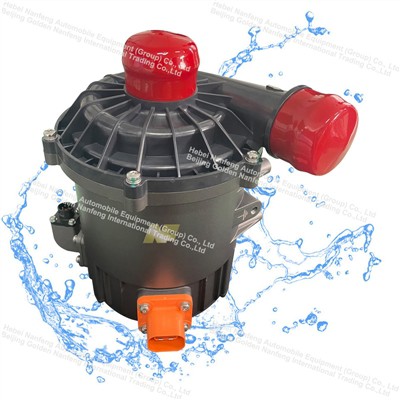
Application scenario-new energy vehicles
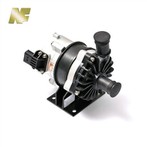
The thermal management system of new energy vehicles mainly consists of motor electronic control cooling system, battery cooling system, and air conditioning system. The motor electronic control cooling subsystem of new energy vehicles mainly adopts liquid cooling. The liquid cooling system consists of a radiator, a cooling fan, an expansion tank, a coolant pump coolant hose, and a coolant temperature sensor. The liquid cooling system mainly relies on the cooling water pump to drive the coolant to circulate in the cooling pipe. Through physical processes such as heat exchange in the radiator, the coolant takes away the heat generated by the motor and the controller.