There are several main heating methods
for new energy vehicles
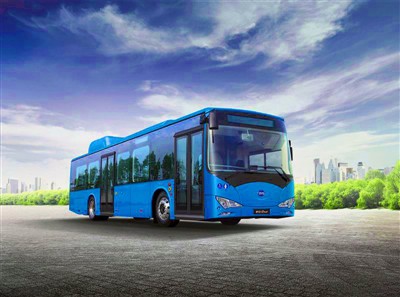
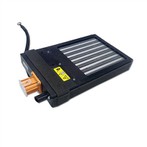
1. PTC heater: PTC heater is the mainstream heating method for new energy vehicles. PTC has the advantages of low cost, high thermal efficiency, and long life, but its disadvantage of high power consumption is also obvious, which may affect the endurance of new energy vehicles.
2. Heat pump system: The heat pump system is gradually replacing the PTC heater solution with the advantage of low energy consumption. However, the cost of the heat pump system is high, the technical barriers are high, and the heating effect is poor in low low-temperature environment.
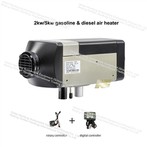
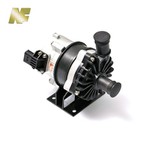
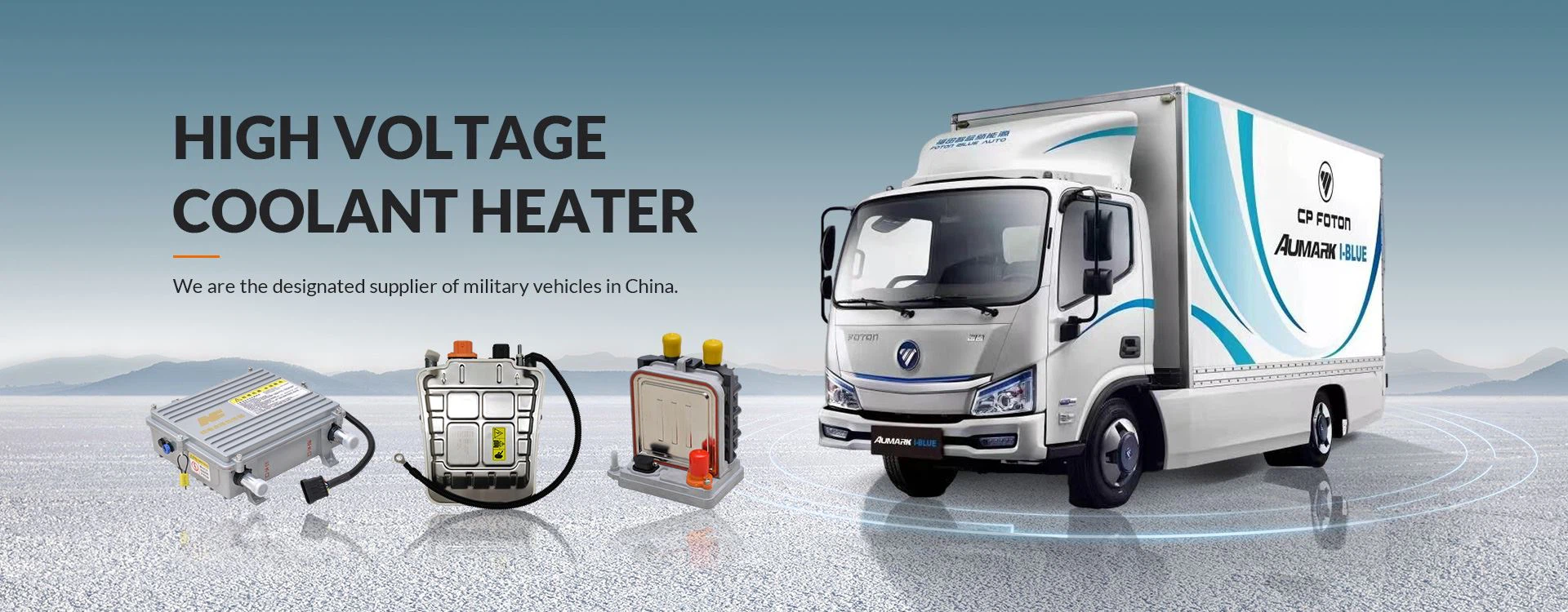
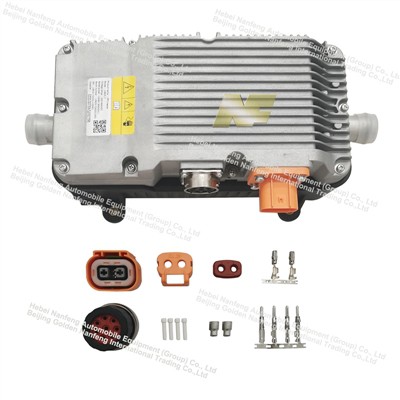
3. Electric heater: Electric heaters are divided into air heaters and water heaters. The principle of the air heater is similar to that of an electric hair dryer. The circulating air is directly heated by the heating plate to provide hot air in the car. The principle of the water heater is similar to that of an electric water heater. The coolant is heated by the heating plate, and the high-temperature coolant flows through the warm air core and then heats the circulating air to achieve heating in the car.
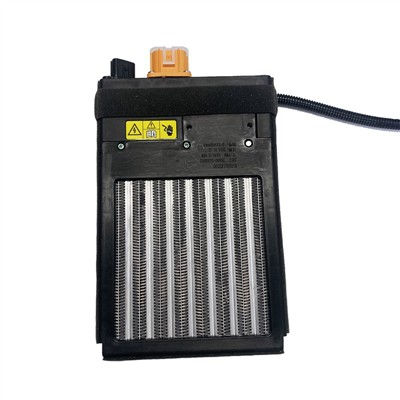
And thick film heating, thick film heating is a kind of heating method for new energy vehicles. It is a new heating method with the main advantages of higher heating efficiency, higher cost performance, high power density, strong thermal effect, multiple insulation and safety protection. Thick film heating technology can improve the driving comfort, endurance and safety performance of new energy vehicles. At the same time, this technology is simpler for the assembly of the heater, and the later replacement and maintenance costs are low, so it has great market application potential.
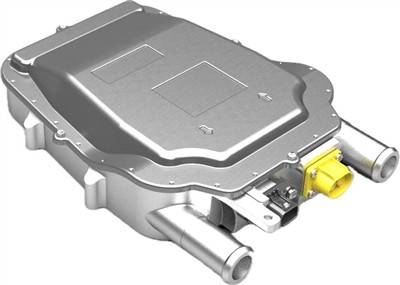
Specifically, there are two ways to implement thick film heating technology. One is the water heating method, in which the heating element is arranged in the liquid flow channel of the component, and the heat is brought to the heat exchanger in the outlet channel by circulating the heated liquid. The air flows directly through the heat exchanger and is heated and blown into the car cabin. The other is to use a thick film heating plate directly in the car cabin, which is particularly suitable for electric vehicles and hybrid vehicles.