Latest Products
Contact Us
Hebei Nanfeng Automobile Equipment (Group) Co.,Ltd
Phone: +86 18811334770
Tel: +86 0317 8620396
Tel: +86 010 58673556
Candy Jiao
E-mail: nh.jiao@auto-parkingheater.com
Email: nh.li@auto-parkingheater.com
Add: Room 505, Building B, Free Town Center, No.58, East Third Ring South Road, Chaoyang District, Beijing, 100022, P.R.China
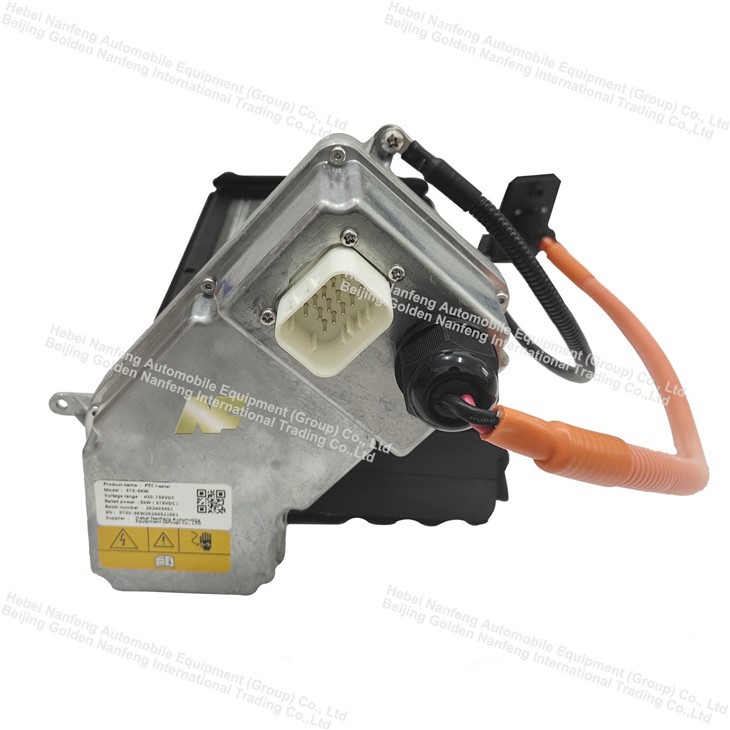

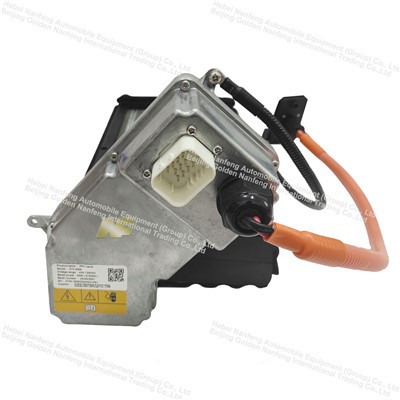
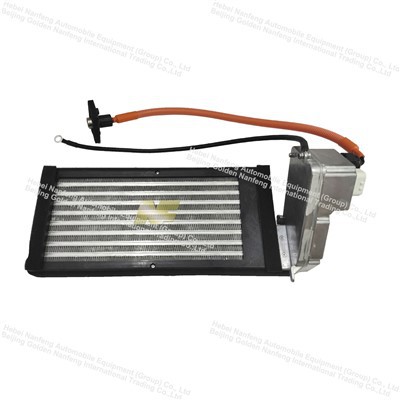
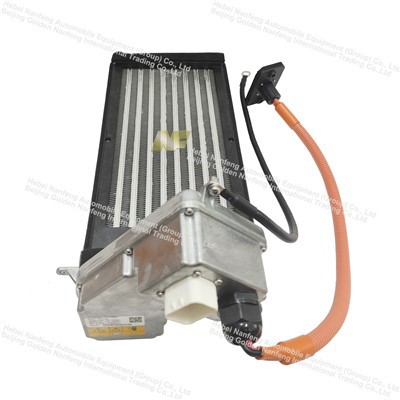
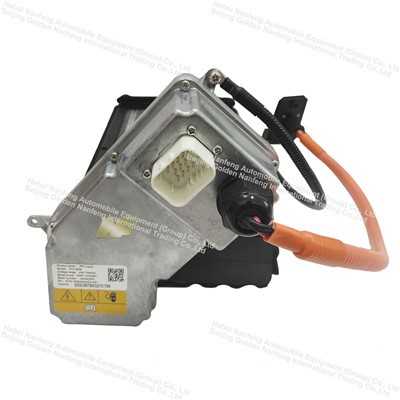
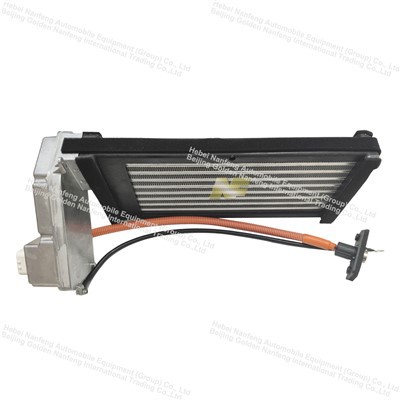
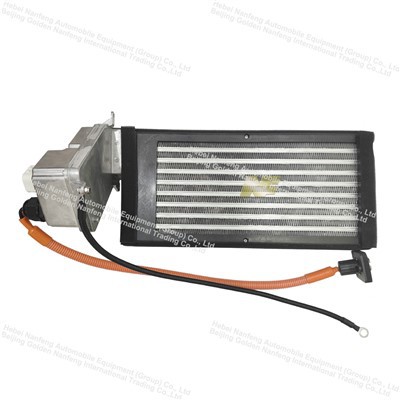
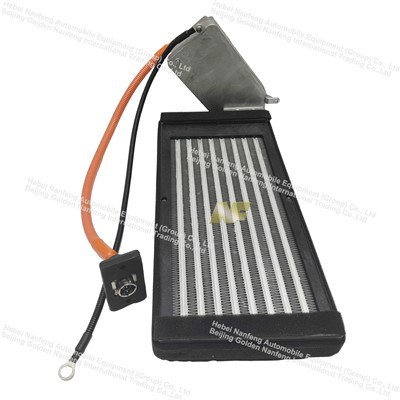
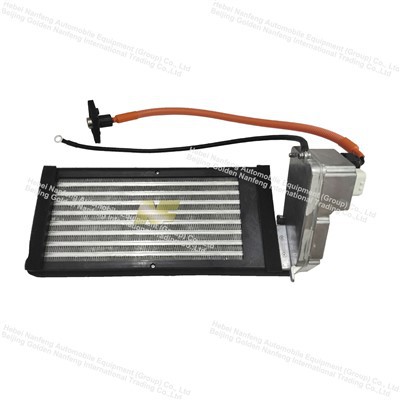
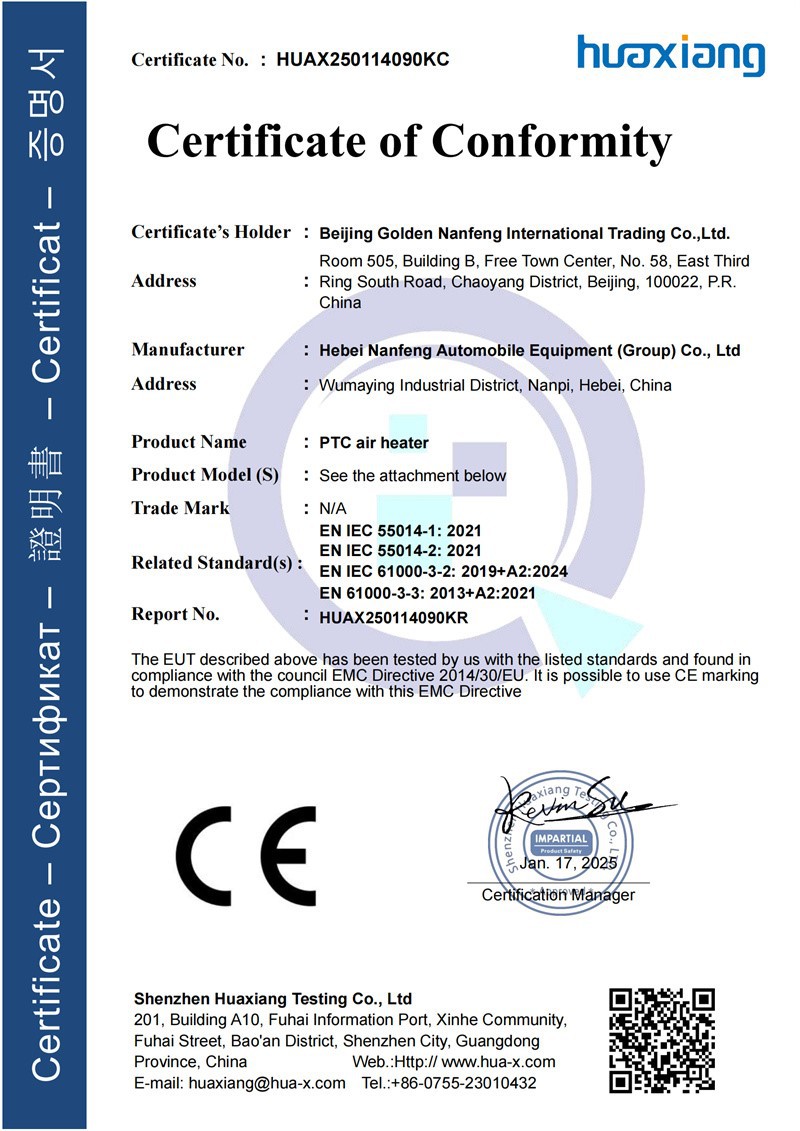
PTC Air Heater With CE
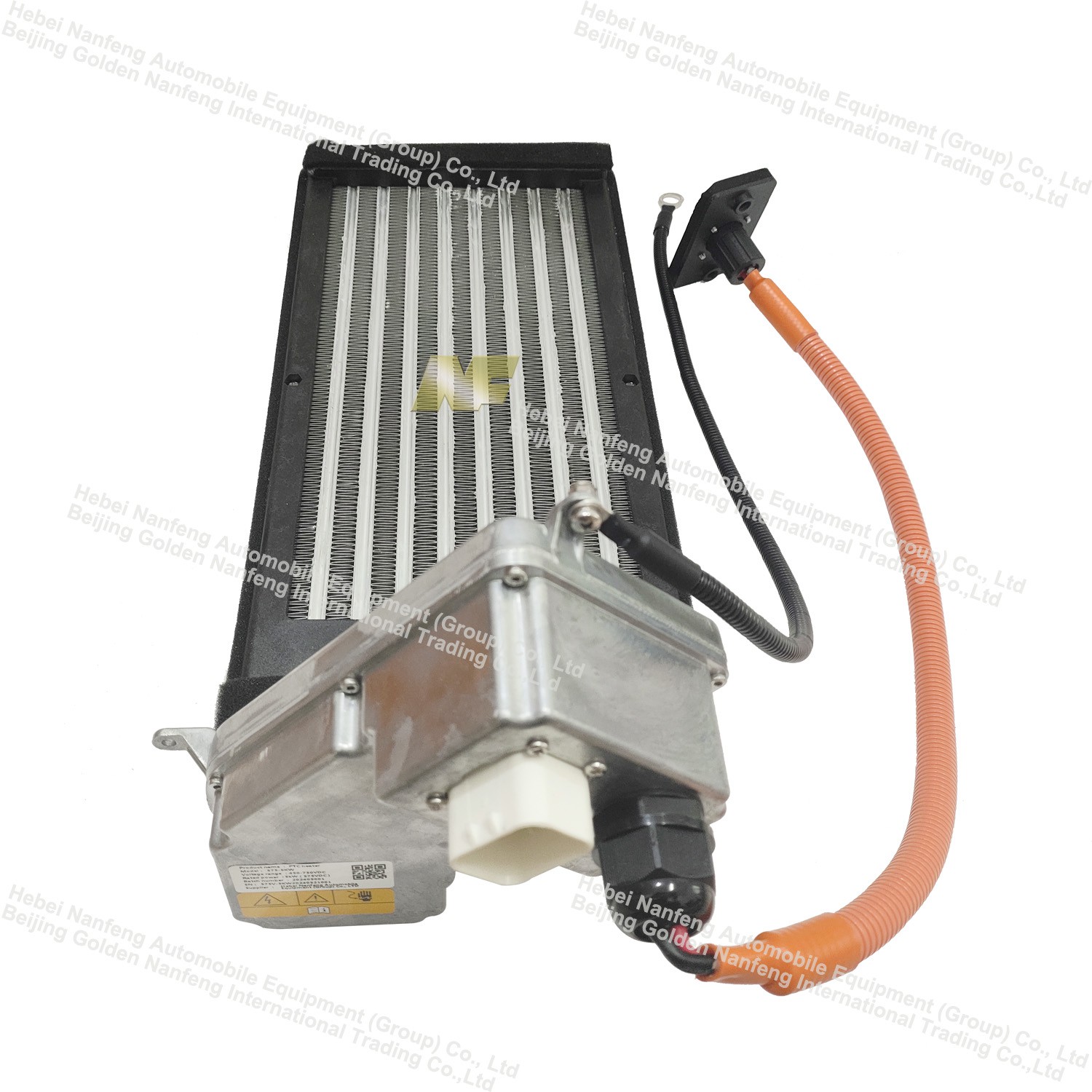
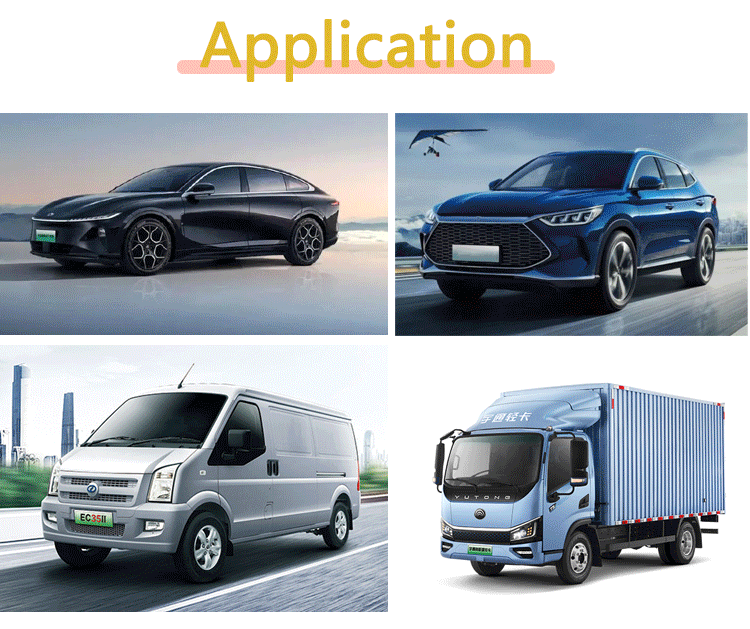
NF PTC Ceramic Air Heater is suitable for hybrid battery vehicles and is mainly used as the main heat source for temperature regulation in the car. The heating effect of the product is faster than that of the internal combustion engine. During the heating process, the electrical energy is effectively converted into heat energy by the PTC component.
Description
PTC air heater with CE
Products Description
product key technologies
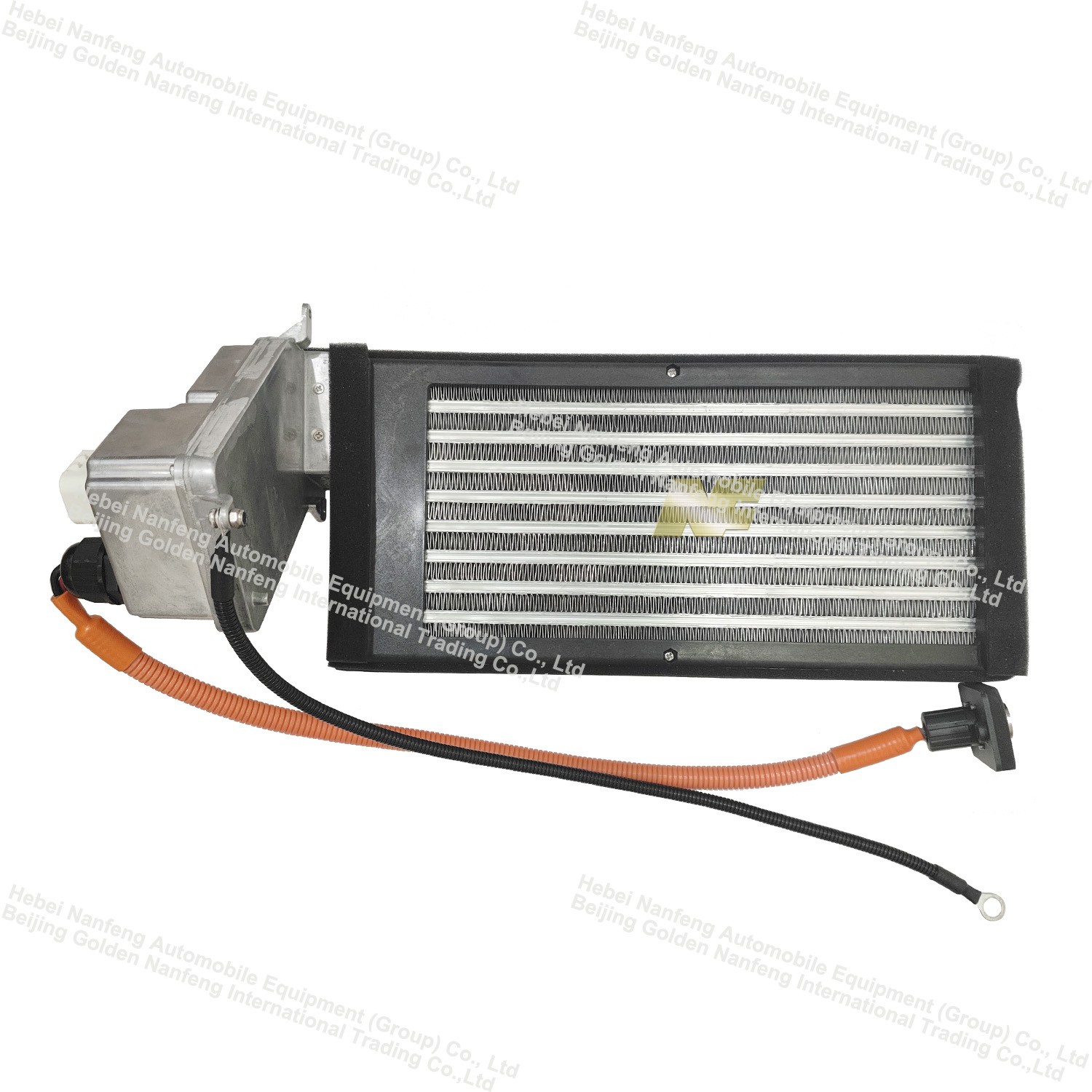
PTC AIR HEATER Working principle:
The current passes through high-resistivity metal wires such as nickel-chromium alloy (Cr20Ni80), and the electrical energy is directly converted into thermal energy.
Heat transfer method:
Natural convection: Heat diffuses through radiation and convection (low efficiency, prone to local overheating).
Forced air cooling: Some models are equipped with fans (but not mainstream design).
Disadvantages:
No self-limiting temperature capability: constant resistance, continuous heating is prone to overheating (requires additional temperature control switch protection).
Low energy efficiency: The electric heat conversion efficiency is about 70%~80%, and the endurance attenuation is aggravated when running at high power.
The core difference between PTC water electric heaters
The core difference between PTC electric heaters and electric air heaters (resistive type) lies in material properties and control logic:
PTC type has become a standard feature of electric vehicles due to its self-limiting temperature, high safety, and intelligent control;
The resistance type is simple and cheap, but has low energy efficiency and high risks, and is gradually withdrawing from the mainstream market.
The future trend will revolve around heat pump + PTC hybrid system and new materials (such as graphene) to further reduce energy consumption and improve user experience. When selecting a model, it is necessary to comprehensively consider climate conditions, vehicle positioning and cost budget.
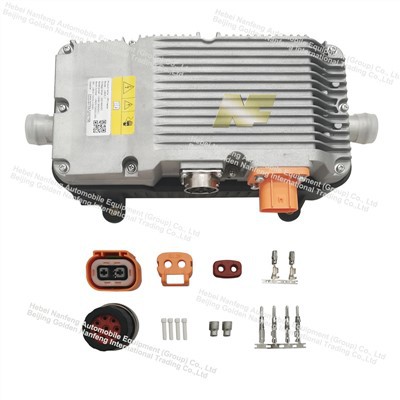
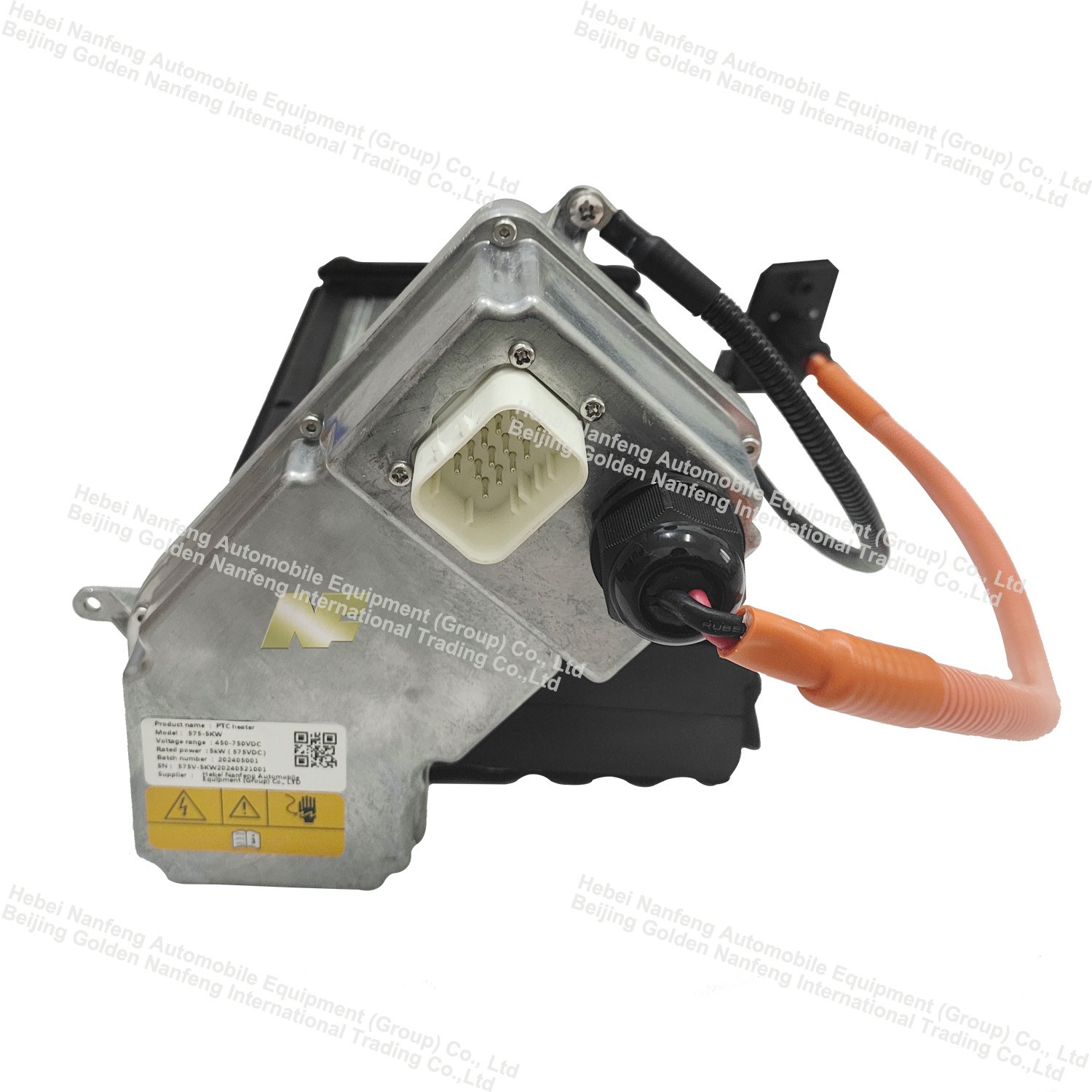
| High Rated voltage | 575V |
| Power | 5KW |
| High voltage range | 450-756V |
| Low Rated voltage | 24V |
| Insulation Withstand | 2500VDC/10mA/60s |
| Communication method |
CAN |
Performance parameter comparison
| Parameters | PTC water electric heater | Electric air heater (resistance type) |
| Starting speed | Faster (3~5 seconds preheating, 30 seconds full power output) | Fast (direct heating) |
| Power range | 0.5~15kW (stepless adjustment) | 1~10kW (fixed gear) |
| Energy consumption | (-10℃ environment) 3kW to maintain temperature, battery life reduced by about 15%~20% | 5kW heating, battery life reduced by about 30% |
| Life | 8~10 years (ceramic without aging) | 2~5 years (resistance wire oxidation fracture) |
| Safety | Safety Self-limiting temperature + dual electronic protection, | There no risk of open flame External temperature control protection is required, there is a risk of fire |
| Cost | High | Low |
Advantages and disadvantages of different control methods
1. Hard Line Control (Analog Control)
How It Works:
Uses physical electrical connections (hardwired signals) to control the heater.
Operates through simple ON/OFF signals or PWM (Pulse Width Modulation) for temperature regulation.
The vehicle's ECU or a separate thermostat sends direct voltage or current signals to control heating levels.
Advantages:
✔ Simple and reliable – No complex communication is required.
✔ Lower cost – No need for an advanced digital control system.
✔ Easy to integrate – It can be used with basic EV systems.
Disadvantages:
❌ Limited functionality – It only provides basic heating control.
❌ Lack of diagnostics – Cannot report faults or heater status.
❌ Inefficient communication – Cannot dynamically adjust based on real-time vehicle data.
Best for:
Basic EV heating systems (low-end EVs, auxiliary heaters).
Simple PTC air heater applications where advanced monitoring isn't needed.
2. CAN Control (Controller Area Network - Digital Control)
How It Works:
Uses the CAN bus (a digital communication network in EVs) to connect the PTC heater with the vehicle's ECU.
Allows real-time data exchange between the heater and other vehicle systems.
Enables precise temperature control, fault detection, and efficiency optimization based on battery status, ambient temperature, and vehicle load.
Advantages:
✔ Smart control – It integrates with the vehicle's battery management system (BMS) and climate control.
✔ Diagnostic and monitoring features – Reports errors, overheating, and performance data.
✔ Efficient energy use, Adjusts power based on battery conditions, improving EV range.
✔ Dynamic response – Adjusts heat output in real time to optimize passenger comfort and energy consumption.
Disadvantages:
❌ Higher cost – Requires a CAN-compatible heater and integration with the vehicle's ECU.
❌ More complex integration – Needs software programming and CAN communication setup.
❌ Potential compatibility issues – Different EV models use different CAN protocols.
Best for:
Advanced EVs and hybrid vehicles require precise temperature control.
PTC heaters integrated into full climate control systems.
EV manufacturers looking for efficient energy management and remote diagnostics.
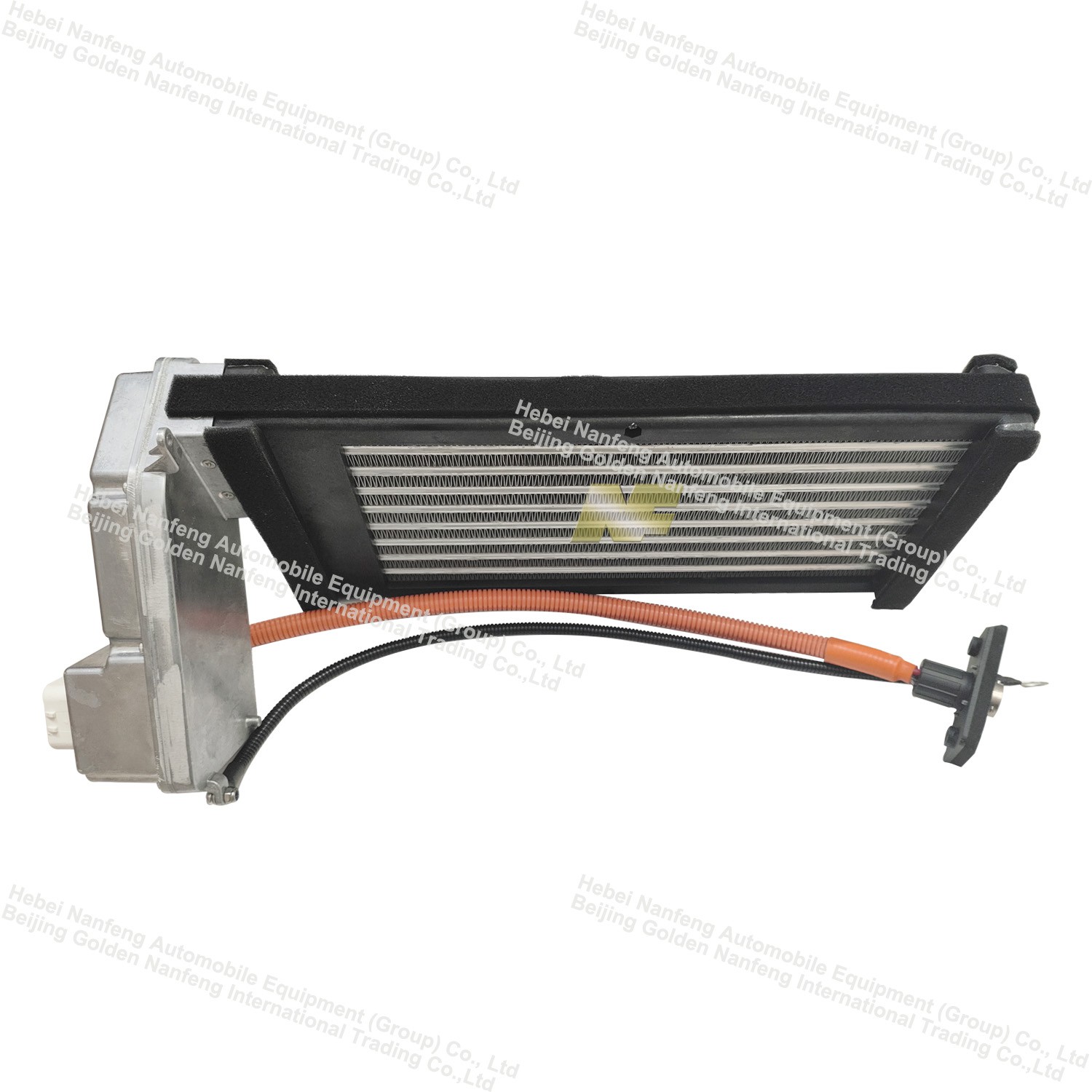
Products Details
Application

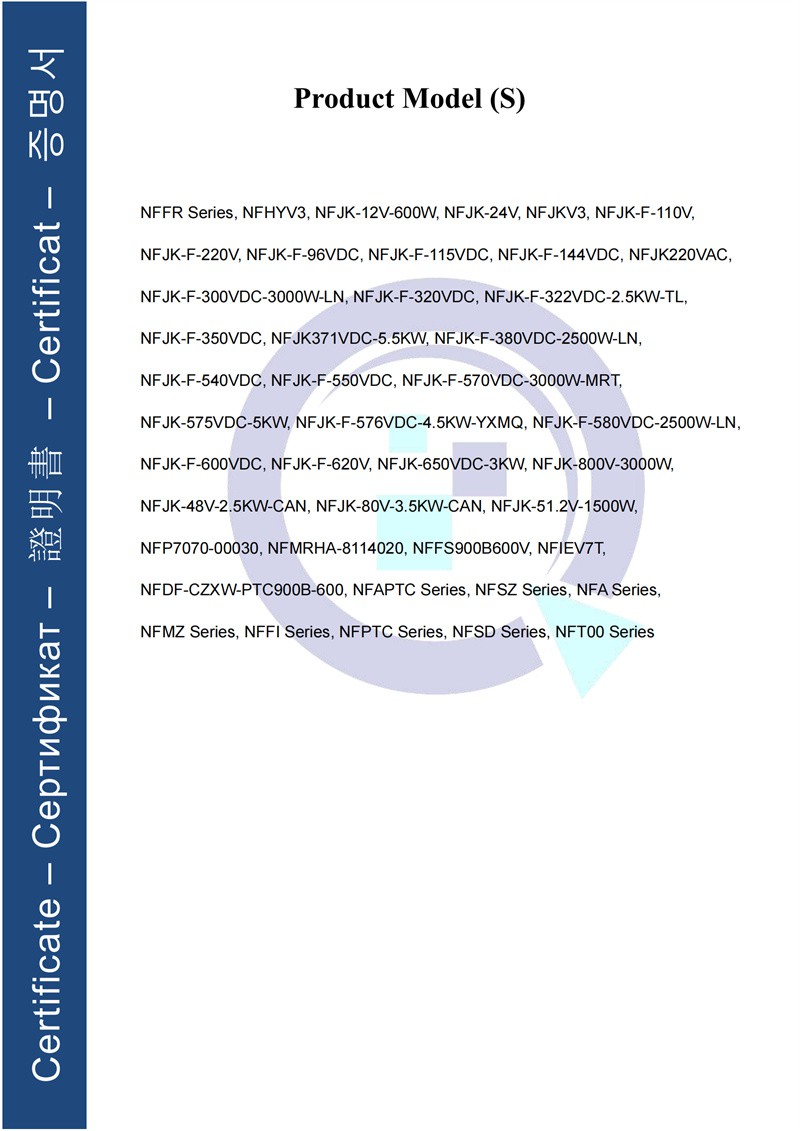
Products Certificate
FAQ
FAQ
Q: 1. What is a PTC electric air heater, and how does it work?
A: Answer:
A PTC (Positive Temperature Coefficient) electric air heater uses PTC ceramic heating elements that self-regulate temperature. When electricity passes through the PTC element, it heats up and automatically adjusts resistance, preventing overheating.
Q: 2. Why choose a PTC electric air heater over traditional heating methods?
A: Answer:
✔ Self-regulating temperature control – No risk of overheating.
✔ Energy-efficient – Consumes only the power required.
✔ Fast heating – Reaches optimal temperature quickly.
✔ Long lifespan – No mechanical parts, reducing wear and tear.
✔ Safe operation – No open flames or risk of burning.
Q: 3. Where are PTC electric air heaters commonly used?
A: Answer:
✔ Electric vehicles (EVs) & hybrid cars – Cabin heating.
✔ Buses & trucks – Passenger and driver comfort.
✔ Medical equipment – Sterilization and drying.
✔ Industrial applications – Climate control in factories.
✔ Consumer appliances – Space heaters, hairdryers, air conditioners.
Hot Tags: ptc air heater with ce, China, factory, suppliers, manufacturers, seller, wholesale, quotation, HVCH electric vehicle heater, Ptc Coolant Heater, 600v battery cabin coolant heater, EV HVCH PTC heater, 3 5kw car heater, HVH heater for car
You Might Also Like