
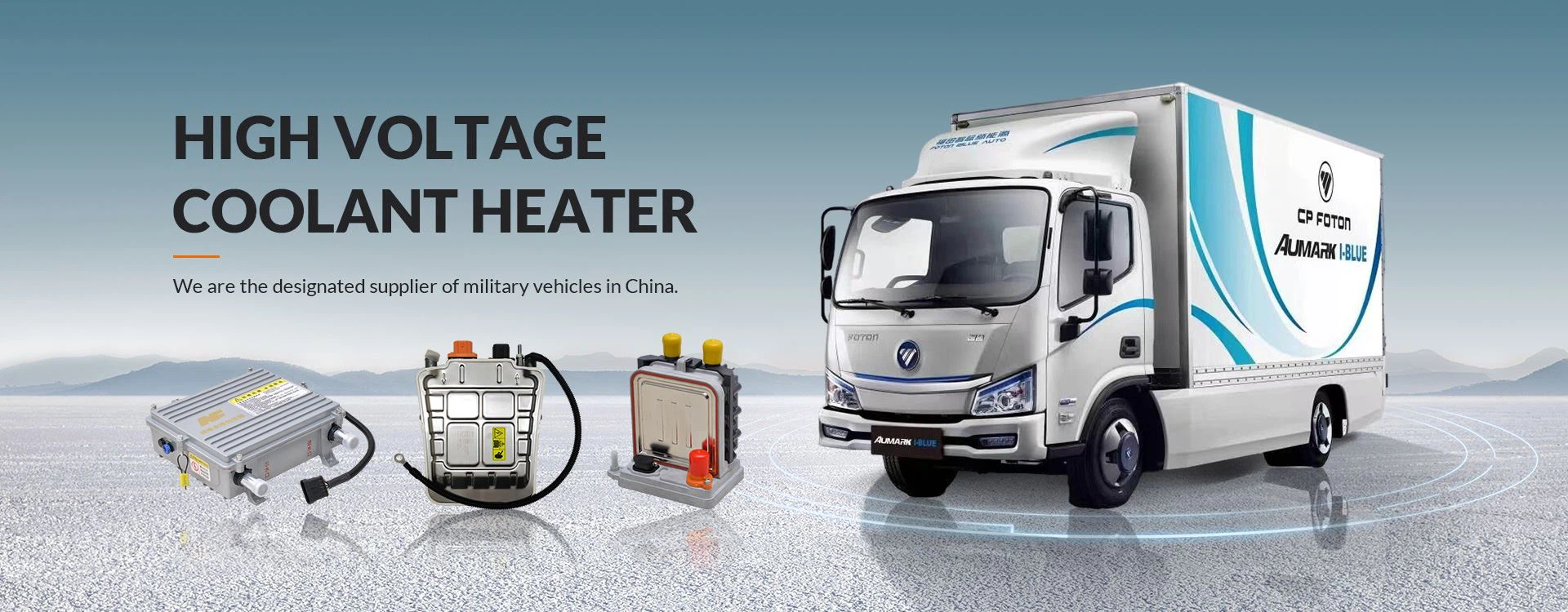


Widespread availability of electronic water pumps
Electronic water pumps have become increasingly popular in recent years due to their many advantages, including increased efficiency, improved performance, and reduced maintenance costs. As a result, they are widely used in a variety of applications, from residential to industrial.
One of the main advantages of electronic water pumps is their increased efficiency compared to conventional water pumps. While conventional pumps use mechanical parts to move water, electronic pumps use advanced technology to control the water flow, resulting in less waste and improved accuracy. This results in lower energy costs and a reduced environmental impact.

Electronic pumps also typically have a longer lifespan and require less maintenance than conventional pumps. With fewer moving parts and improved control systems, electronic pumps do not wear as much as mechanical parts. This results in a longer lifespan and less frequent repairs and replacements, ultimately saving users money in the long run.
Another important advantage of electronic water pumps is that they can provide better performance than conventional pumps. By precisely controlling the water flow, electronic pumps can maintain more consistent pressure and flow rates, which is beneficial in performance-critical applications. For example, in industrial applications that rely on accurate flow rates, electronic water pumps are becoming the standard.
Given these significant advantages, it is no surprise that electric water pumps are quickly gaining widespread adoption in a variety of applications. In residential settings, electric pumps are frequently used in home heating and cooling systems as well as in garden irrigation systems. In commercial and industrial settings, they are used in everything from manufacturing processes to wastewater treatment.
Overall, the widespread adoption of electric water pumps highlights the importance of advanced technologies in improving efficiency, reducing waste, and increasing productivity in a variety of environments. As these technologies continue to improve and become more accessible, we can expect to see even more adoption and innovation in the future.


