
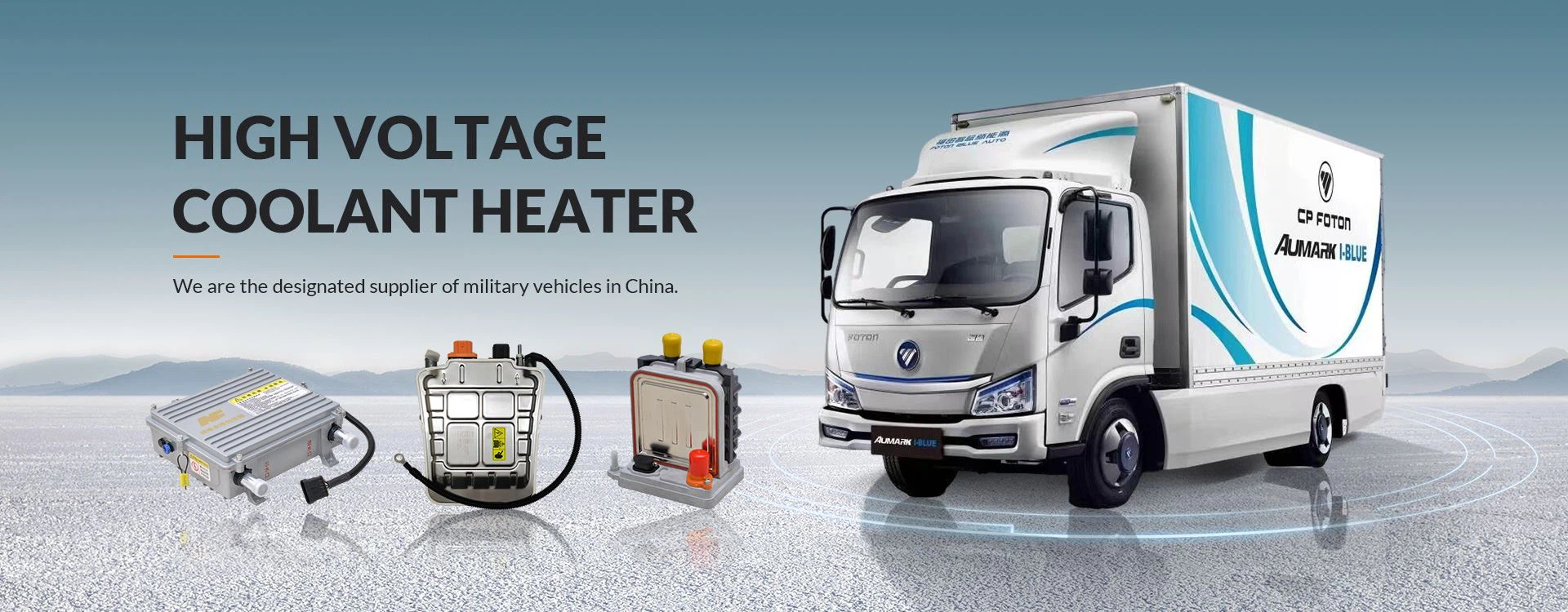


Where can PTC coolant heaters be used?
The use of electric and hybrid vehicles has increased dramatically in recent years as the demand for energy-efficient and environmentally friendly vehicles continues to grow. Electric vehicles offer numerous benefits, including reduced emissions and lower running costs, but also face challenges in terms of battery performance and temperature management. One solution to this problem is the use of PTC water heaters in electric vehicles to improve the temperature management system.
PTC coolant heaters are electric heating devices that use self-regulating ceramic elements with a unique positive temperature coefficient (PTC) to generate heat, making them an ideal choice for temperature control applications in electric vehicles. As the water temperature in the system increases, the PTC elements produce less heat, preventing the battery pack and the entire vehicle from overheating.


PTC coolant heaters are suitable for various applications in electric vehicles, including battery heating and interior heating. One of the main benefits of using a PTC coolant heater to heat a battery is that it generates uniform heat throughout the battery pack, ensuring that the batteries are kept at the optimum temperature for efficient operation. It also helps extend battery life by preventing damage from over- or under-charging and reducing the effects of cold weather on battery performance.
In addition, PTC coolant heaters can be used to heat the interior of electric vehicles, making them an excellent alternative to traditional resistive heating systems. Unlike resistive heating, which is known for its slow heat-up time and high energy consumption, PTC coolant heaters provide fast and efficient heating, improving the passenger's driving experience and reducing energy consumption.


Overall, PTC coolant heaters offer numerous benefits for electric vehicle temperature management, making them an excellent choice for new energy vehicles. PTC coolant heaters enable electric vehicles to optimize battery performance, increase interior comfort, and reduce energy consumption, resulting in more efficient and environmentally friendly driving.


