
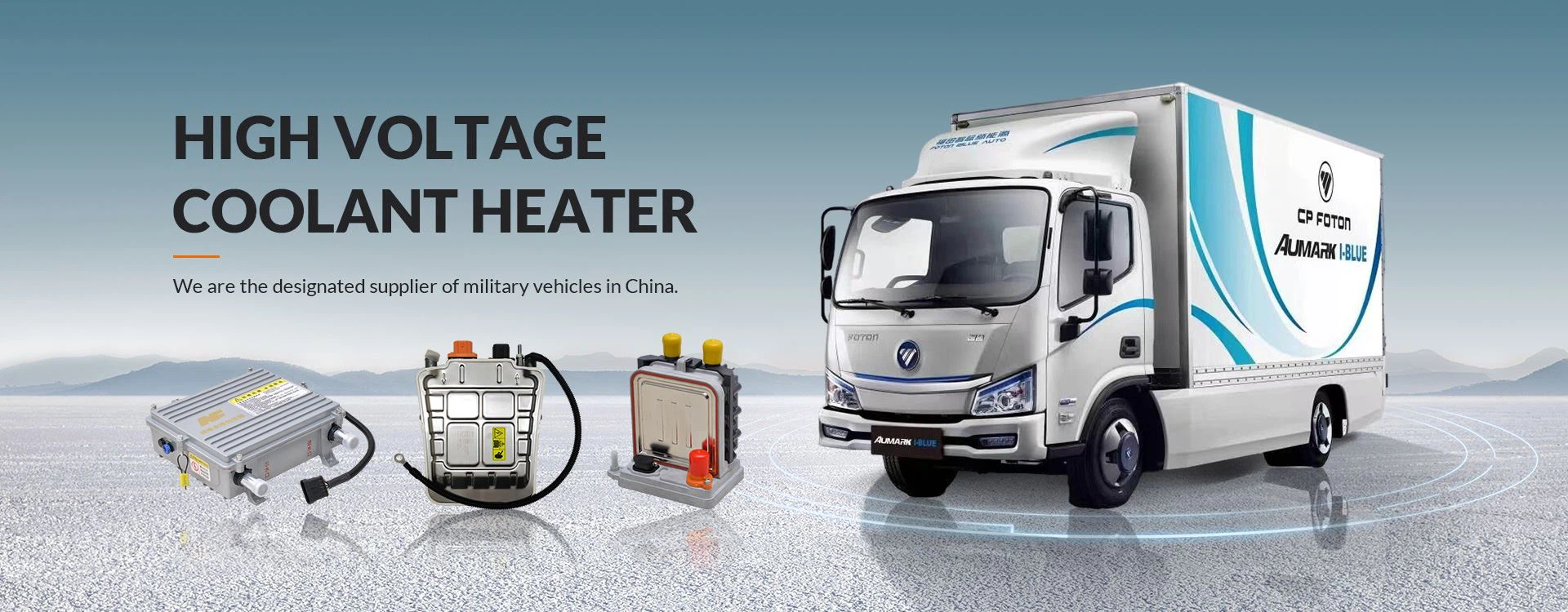


What is the difference between electric commercial vehicles and electric passenger vehicles?
Electric vehicles are becoming increasingly popular all over the world as more and more people are looking for eco-friendly transportation. However, there is often confusion between electric commercial vehicles and electric passenger cars, with many people thinking that they are the same. In fact, there are some key differences between these two types of vehicles, which we will explore in this article.
Purpose
One of the key differences between electric commercial vehicles and electric passenger cars is their purpose. Commercial vehicles are designed to transport goods or equipment, while passenger vehicles are designed to transport people. This fundamental distinction tells us a lot about the differences between the two types of electric vehicles.
Electric Commercial Vehicles
Electric commercial vehicles come in many forms, from small vans to large semi-trucks. These vehicles are mainly used to transport goods from one place to another and are often used in industries such as logistics, construction, and waste management. Some key features that differentiate electric commercial vehicles from passenger cars include:
Battery capacity: Commercial vehicles require larger batteries than passenger vehicles in order to be able to transport heavy loads and long distances.
Payload: Commercial electric vehicles are designed to carry heavy loads and often have a higher payload than passenger vehicles.
Charging infrastructure: Many commercial vehicles are operated by businesses, so charging infrastructure must be available at the company's facilities or drop-off points.
Electric passenger car
Electric passenger vehicles, on the other hand, are designed to carry people. They come in a variety of sizes, from compact sedans to SUVs, and are often used for daily commuting or vacation travel. The key features that differentiate electric passenger vehicles from commercial vehicles are:
Size and weight: Passenger vehicles are typically smaller and lighter than commercial vehicles, making them more agile and easier to maneuver.
Range anxiety: Many electric passenger vehicles have a shorter range than commercial vehicles, which can cause range anxiety for drivers who are not used to charging their vehicles.
Charging infrastructure: Home charging solutions are common for electric passenger vehicles, and many drivers may rely on public charging infrastructure for long journeys.
Conclusion
While electric commercial vehicles and electric passenger cars share many similarities, they are ultimately different types of vehicles designed for different purposes. Regardless of the type of electric vehicle you choose, you can feel confident that you are contributing to a cleaner, more sustainable future by reducing your carbon footprint. As electric vehicle technology continues to improve, we will likely see more innovations in both commercial vehicles and passenger cars in the coming years.


