
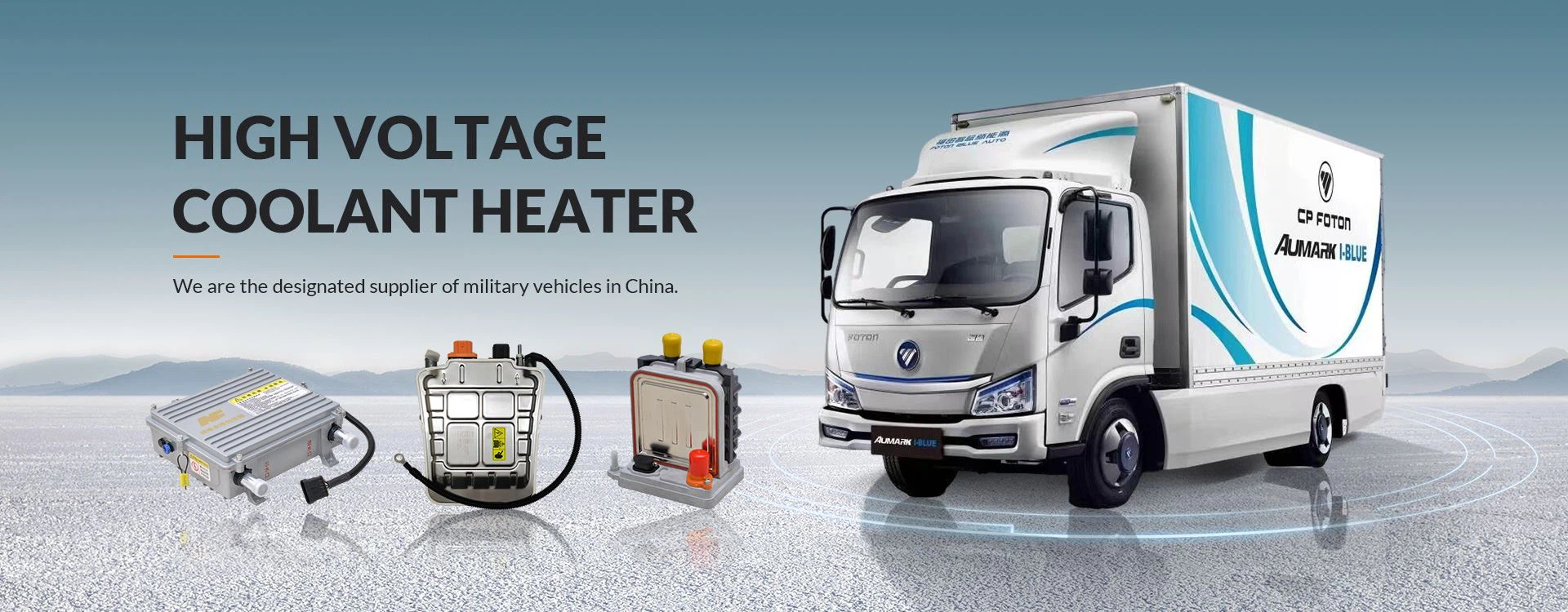


The weather is getting hotter; do new energy vehicles still need PTC electric heaters?
As global temperatures rise, questions emerge about the relevance of PTC (Positive Temperature Coefficient) electric heaters in new energy vehicles (NEVs). While hot climates reduce the immediate demand for cabin heating, PTC heaters remain critical for battery thermal management, passenger comfort, and system redundancy. Below is a detailed analysis:

1. Battery Thermal Management
Lithium-ion batteries operate optimally within 20–40°C. In hot weather, cooling systems dominate to prevent overheating. However, temperature fluctuations-such as overnight cooling, high-altitude driving, or sudden weather shifts-can cause battery packs to drop below ideal ranges. PTC heaters act as a safeguard, reactivating to maintain battery efficiency and longevity. For example, desert regions with extreme day-night temperature swings (e.g., 40°C daytime vs. 15°C nighttime) require dual thermal strategies: cooling by day and heating by night.
2. Cabin Comfort and Safety
Even in warm climates, occupants may demand heating for:
Defogging/Defrosting: Rapid cooling from air conditioning can create condensation on windshields, necessitating PTC heaters for instant defogging.
Localized Cooling- Heating Balance: Passengers might prefer cooler cabin zones, while others require warmth, especially during prolonged drives.
Unexpected Cold Events: Monsoon rains or indoor parking with aggressive AC can create localized cold spots, triggering intermittent heating needs.

3. System Redundancy and Efficiency
PTC heaters complement heat pump systems, which lose efficiency in extreme heat (above 45°C). While heat pumps excel in moderate climates, PTC devices respond rapidly during abrupt temperature changes or system failures. For instance, if a heat pump malfunctions in a hybrid thermal system, PTC heaters ensure uninterrupted operation, which is critical for safety in autonomous vehicles.
4. Energy Utilization Optimization
In some designs, waste heat from PTC heaters can be repurposed to preheat batteries during morning starts, reducing peak load on cooling systems. This dual-purpose approach enhances overall energy efficiency, particularly in plug-in hybrids where engine waste heat is unavailable.
5. Regional and Seasonal Variability
Manufacturers prioritize universal adaptability. Vehicles sold in tropical regions may still encounter cold seasons or export to temperate markets. Retaining PTC heaters avoids costly region-specific modifications and ensures compliance with global safety standards (e.g., mandated defrosting capabilities).


