


Several forms of battery thermal management
1.1 Battery cooling methods
Common power battery cooling methods mainly include natural air cooling, forced air cooling, liquid cooling and refrigerant direct cooling. Among them, forced air cooling is to directly introduce the air conditioning wind, natural wind or convection wind outside the car into the battery installation compartment to cool the battery pack; liquid cooling is to use the refrigerant of the air conditioning outlet or the refrigerant of a separate refrigeration device to cool the coolant and then enter the heat exchanger in the battery pack to conduct heat to the battery cells therein, thereby achieving the purpose of battery cooling; refrigerant direct cooling is to directly introduce the refrigerant of the separate refrigeration device into the heat exchanger in the battery pack to conduct heat to the battery cells therein to cool the battery. The comparison of different cooling methods is as follows:
1) The cooling performance of the natural air cooling method depends on the external environment, does not take up space, does not require control, has no energy consumption, has low system cost, is easy to implement, has the highest process reliability, and has a low risk of wading.
2) The cooling performance of the forced air cooling method is poor, the system volume is the largest, and the risk of wading is high, but it is light in weight, easy to control, has low energy consumption, relatively low system cost, is relatively easy to implement, and has high process reliability.
3) Liquid cooling has better cooling performance, smaller system size, mature control principle, medium difficulty and relatively easy to implement, but the system weight of this method is heavy, energy consumption is high, system cost is the highest, process reliability is average, and the risk of wading is high. This is the cooling method currently commonly used in the industry.
4) Refrigerant direct cooling has the best cooling performance, smaller system size, lighter weight, lower energy consumption, and medium system cost, but the control principle is difficult, implementation is difficult, process reliability is high, and the risk of wading is high.
At present, the refrigerant direct cooling technology is not mature and is still in the research stage and has not entered the engineering implementation stage. Although the heat exchange efficiency of refrigerant direct cooling is high, the temperature difference at various places when the refrigerant evaporates in the evaporation channel in the battery pack is large, and the battery temperature consistency is poor, which affects the battery charge and discharge capacity. In addition, the bus has a large amount of power and a large number of battery packs. The pipeline layout of refrigerant direct cooling is complex and there is a risk of easy leakage.
1.2 Battery heating method
The common power battery heating methods are as follows:
1) The electric heating film integrated inside the battery pack directly heats the battery cell. The effect of this heating method depends on the temperature of the external environment. When the ambient temperature is higher than 0 ℃, the electric heating film has a better heating effect and does not occupy space, does not require control, has no energy consumption, has a low system cost, and is easy to implement; when the ambient temperature is lower than 0 ℃, the electric heating film has a poor heating effect, and this heating method is generally not used.
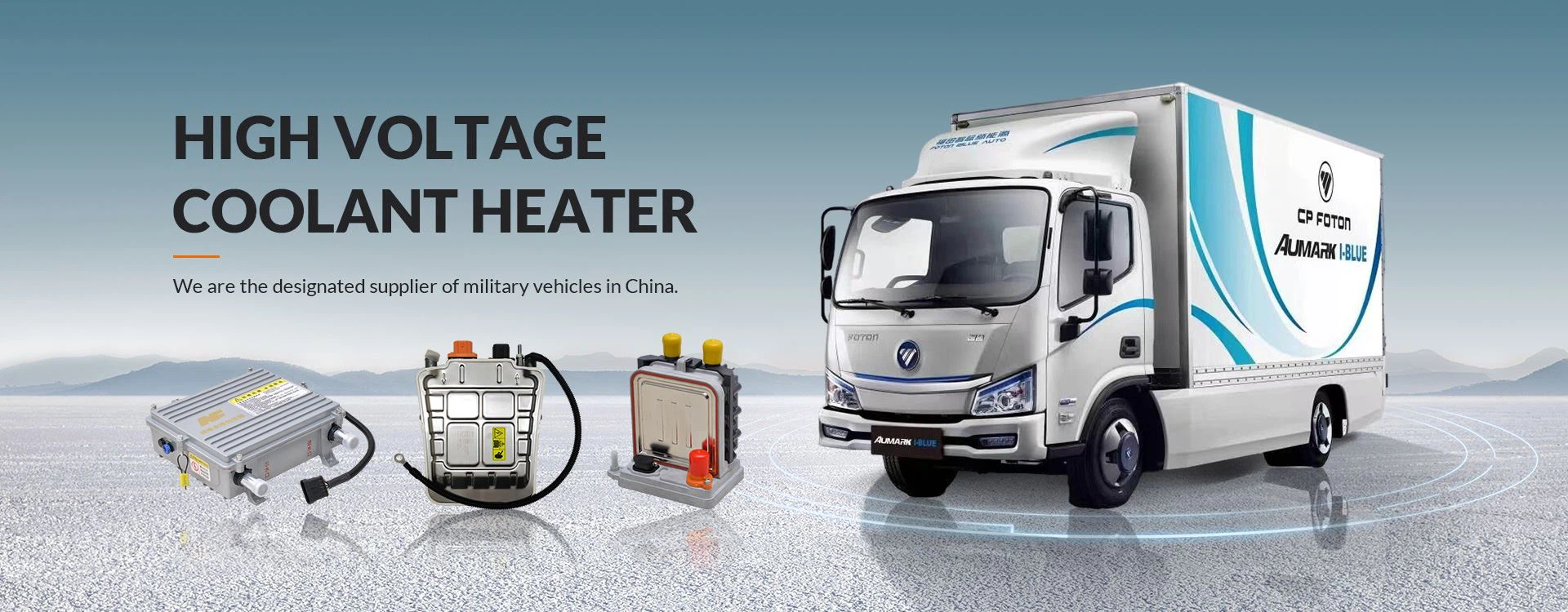
2) an electric liquid heater is connected in series to heat the antifreeze in the battery thermal management water circulation system. This method has a good heating effect, a small system volume, only requires a part of the space, and the cost is relatively high. Still, the control principle is mature, the process reliability is high, and it is relatively easy to implement. It is currently the most commonly used battery heating method.


