
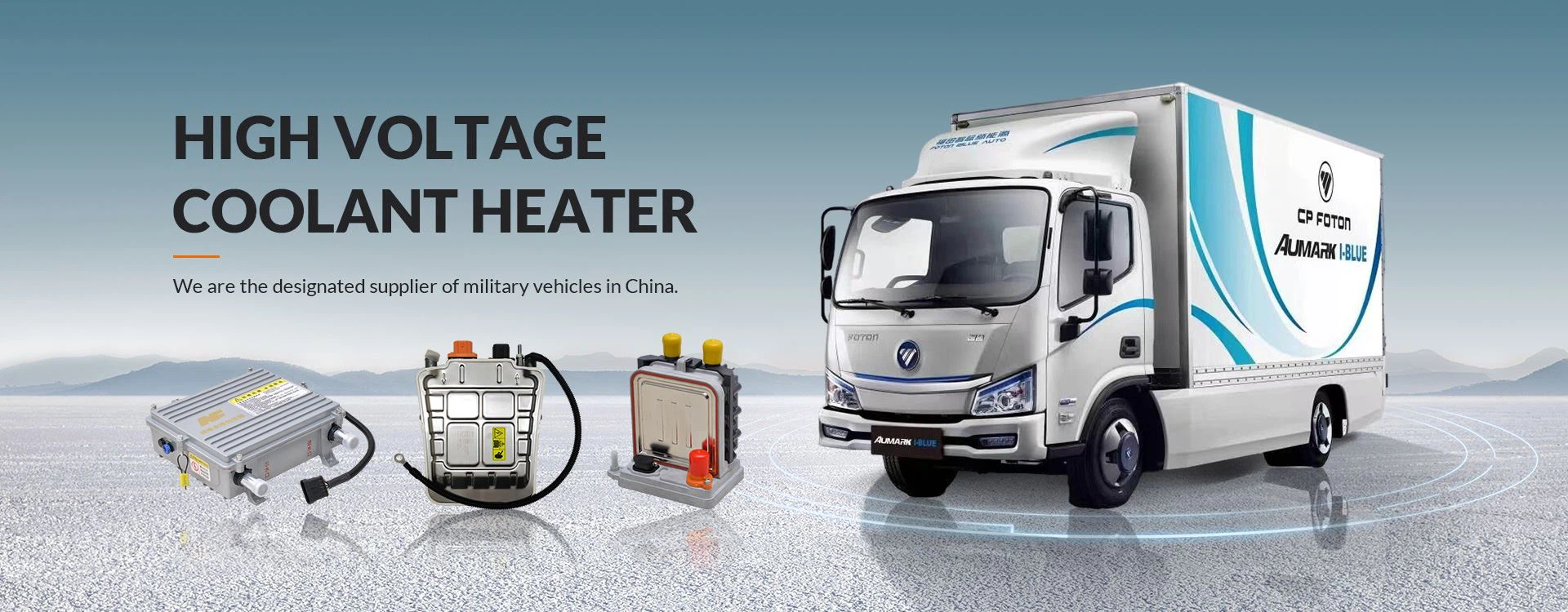


Knowledge of thermal management systems for power battery pack

Since the charging and discharging characteristics of a power battery depend largely on the temperature of the battery electrolyte, an important function of BMS is to keep the temperature of the battery pack within the normal operating temperature range during the charging and discharging process of a power battery.
The charging and discharging of a power battery is a typical electrochemical process, and its accompanying reaction can easily cause the internal temperature of the power battery pack to rise and a certain temperature difference. If the heat is not dissipated in time, it will have a great impact on the safety, reliability, and life of the power battery.
Therefore, the main problems faced in thermal management are how to dissipate the reaction heat generated during charging and discharging. How to balance the temperature between the cells inside the battery pack module, and how to preheat the battery to the set temperature range in a cold environment.
The factors affecting the thermal management of power batteries mainly include heat generation rate, battery shape, refrigerant type, refrigerant flow rate, flow channel thickness, etc.
At present, the main consideration of vehicle-mounted power batteries is the external heat dissipation structure, and the internal heat transfer of power batteries is rarely analyzed in combination with the external heat dissipation process, so it is impossible to fundamentally control the negative impact of battery heat dissipation.
From the perspective of control, the current power battery pack thermal management system can be divided into two categories: active and passive. From the perspective of a heat transfer medium, the thermal management system mainly includes gas cooling, liquid cooling, phase change material cooling, heat pipe cooling, and some thermal management systems with heating.
Liquid cooling method
Liquid cooling method (as shown in the figure below) uses liquid as the medium for heat transfer. It is necessary to establish a heat transfer channel between the power battery pack and the liquid medium, such as a water jacket, to perform indirect heating and cooling in the form of convection and heat conduction. The heat transfer medium can be water, ethylene disilicon, or even refrigerant. There is also the direct heat transfer of the power battery pack by immersing it in the liquid of the dielectric, but insulation measures must be taken to avoid short circuits.
Liquid cooling methods mainly include passive liquid cooling systems and active liquid cooling systems. Passive liquid cooling generally involves heat exchange between the liquid environment and air and then introducing it into the power battery for secondary heat exchange, while active cooling is performed through the engine coolant liquid medium heat exchanger.
Phase change material cooling method
In recent years, power battery thermal management systems using phase change material PCM cooling have appeared in foreign countries and China. In view of the characteristics of power batteries absorbing heat during charging and releasing heat during discharging, phase change materials are filled between fully enclosed power battery cells, and they work by melting or solidifying the phase change materials.
When the power battery is discharged with a large current, the PCM absorbs the heat released by the power battery and undergoes a phase change (melting) itself, which rapidly reduces the temperature of the power battery. This process is that the system stores heat in the PCM in the form of phase change heat; when the power battery is charging, especially in relatively cold weather environments (that is, the atmospheric temperature is far below the phase change temperature), the PCM releases heat and solidifies to rapidly heat the battery.
The use of phase change materials in power battery thermal management systems does not require the insertion of additional cooling elements at the power battery connection, nor does it require cooling channels between power battery packs or cooling systems that encapsulate external fluid circulation, and does not require the consumption of additional energy for the power battery. At the same time, it also serves as a reference for heating power batteries in cold environments.


