
Key nodes of high-voltage system of new energy vehicles
In the application of new energy vehicles, high-voltage insulation monitoring is a crucial safety function, which ensures that the high-voltage system will not cause leakage, short circuit and other safety hazards due to insulation failure during normal operation. In this process, the monitoring of high-voltage systems usually involves the following key nodes, such as:
1) Power battery and its connecting parts: As the core source of energy for new energy vehicles, power batteries and their connected high-voltage wiring harnesses, connectors, relays, etc. are the key objects of insulation monitoring. Monitoring the insulation status of these parts can timely detect insulation degradation problems inside and outside the battery system.
2) Drive motor and its controller: The electric energy output by the high-voltage battery is transmitted to the drive motor and its controller through the high-voltage wiring harness. The insulation status between these components needs to be regularly checked and monitored in real time to ensure safety during power transmission.
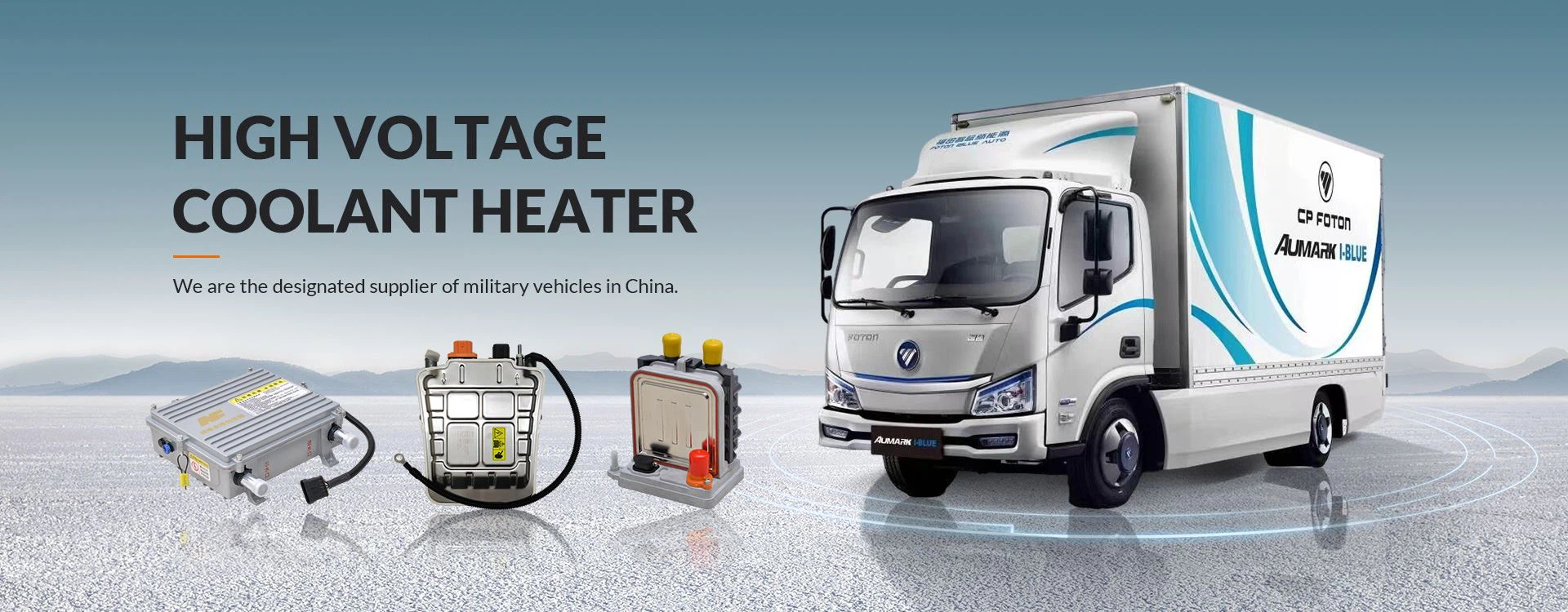
3) High-voltage accessory system: such as air conditioning system, DC/DC, OBC and other high-voltage accessories.
4) High-voltage wiring harness and connectors: The wiring harness and connectors throughout the entire high-voltage system are the key points of insulation monitoring. Any loose joints, harness wear or damage may lead to poor insulation.
5) Insulation between high-voltage system and chassis: monitor the insulation resistance between the high-voltage system and the vehicle body (i.e., vehicle chassis) to ensure that the high-voltage system is isolated from the passenger compartment under any circumstances to avoid the risk of electric shock.
6) Isolation between high-voltage system and low-voltage system: ensure the insulation between the high-voltage system and the vehicle's low-voltage electronic system to prevent high-voltage leakage from affecting other safety systems of the vehicle.


