
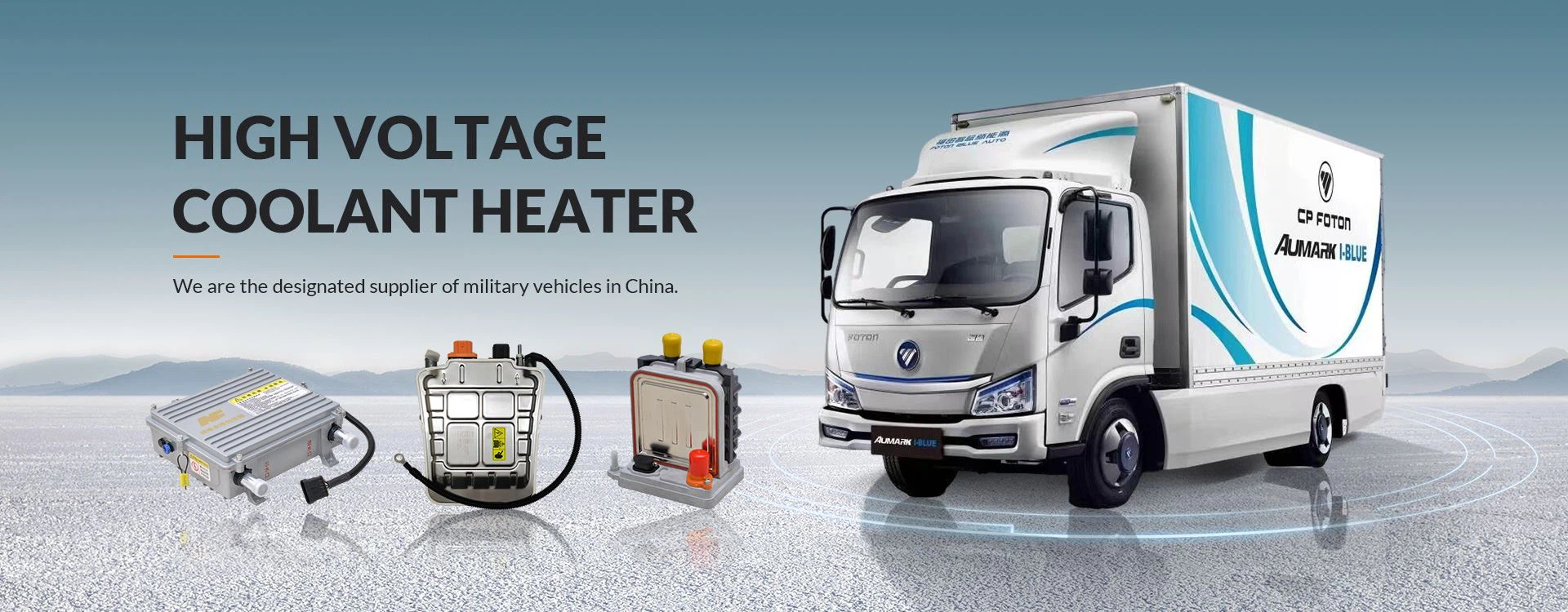
Hybrid Electric Vehicle Thermal Management
As hybrid and electric vehicles become more popular, the efficiency and durability of their battery management systems become increasingly important. Thermal management systems are critical to ensuring long battery life and overall vehicle performance.
Hybrid and electric vehicles require sophisticated thermal management systems to ensure the proper operating temperature of both the battery and other critical systems such as the transmission, electric motor, and fuel cell. The purpose of this article is to discuss the importance of thermal management in hybrid and electric vehicles, as well as the design principles and strategies used to develop this system.
Battery Thermal Management Systems:
The battery is the heart of a hybrid or electric vehicle, and the thermal management system is critical to optimizing performance. Battery cooling helps regulate the operating temperature of the battery, improving its performance and ultimately extending its life. The cooling system circulates a fluid that carries heat away from the battery and away from the vehicle. On the other hand, the heating system helps to preheat the battery and ensures its proper operation in cold weather. In a hybrid vehicle, waste heat from the gasoline engine can serve as a heat source to warm up the battery. In electric vehicles, auxiliary heaters are used to preheat the battery.
Thermal Management Systems for Power Electronics:
The powertrain is responsible for transferring electrical energy from the battery to the electric motors that drive the wheels. Thermal management systems are vital to ensure proper operation of the powertrain by maintaining optimal operating temperatures and preventing overheating.
As with the battery pack, liquid-cooled thermal management systems can be used to cool the power electronics pack. In some cases, air-cooled systems can also be used. In both cases, temperature sensors are used to monitor the temperature, and the cooling systems are activated when necessary to maintain optimal conditions.
Thermal Management Systems for Electric Motors:
The electric motor is another important component of a hybrid or electric vehicle, and its thermal management is just as important as that of the battery and transmission. During operation, the engine generates heat due to the electrical currents flowing through the coils. This heat must be dissipated to prevent damage to the engine and to ensure optimum performance.
Liquid cooling is typically used to cool the engine, as well as the battery and power electronics unit. In some cases, air cooling may also be used. Temperature sensors monitor the engine temperature and activate the cooling system when necessary to maintain optimum conditions.
Diploma:
Thermal management systems are vital to ensuring optimum performance and long battery life in hybrid and electric vehicles. Cooling systems are used to regulate the temperature of critical components such as the battery, power electronics unit, and electric motor. Temperature sensors monitor the temperature, and cooling systems activate when necessary to maintain optimum conditions. Hybrid and electric vehicles require sophisticated thermal management systems to ensure the correct operating temperature for both the battery and other critical systems, and their design is critical to optimizing vehicle performance.


