
Electronic parking brake system for new energy vehicles 1
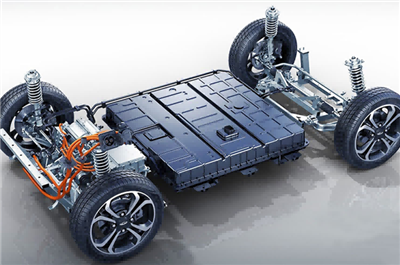
System architecture
In vehicle applications, the key process of realizing the function of the electronic parking brake system (EPB) is to realize the parking brake of the vehicle through the electronic control unit and the motor. In its common system architecture, the key components are:
1) Electronic control unit: It is the brain of EPB, responsible for processing data from various sensors and making decisions based on these data to control the action of the motor.
2) Brake motor: A small motor used to perform the parking brake operation, usually installed on the rear wheel brake caliper or in the brake drum. When it receives the execution instruction from the control unit, its rotation mode will be converted into linear motion through the gear transmission mechanism, thereby pulling or releasing the brake.
3) Sensor: such as the speed sensor used to monitor whether the vehicle is stopped to determine when to enable the parking brake, the seat belt sensor used to detect the driver's seat belt status to help the system identify whether the parking brake needs to be activated, and the gear position signal is used to detect the driving intention, etc.;
4) Trigger button: that is, the EPB button, usually located in the cockpit, is used to manually activate or release the parking brake.
5) Status indicator light: A status indicator light is used to show whether the parking brake is enabled.


