


Thermal management of new energy vehicles:
comparison of technologies such as heat pumps, PTC, and membrane heating
1. EV Heater for Heat pump technology
Principle:
Heating is achieved by transporting external heat, similar to the reverse cycle of air conditioning, using the phase change of refrigerant to absorb ambient heat and release it to the battery or passenger compartment.
Advantages:
High energy efficiency: The thermal efficiency ratio (COP) can reach 1.5~2, that is, 1kW of electricity can generate 1.5~2kW of heat, which significantly saves energy and reduces the impact on battery life. Wide temperature adaptability: Combined with waste heat recovery (such as motor or battery waste heat), it is more efficient in non-extremely cold environments.
Disadvantages:
Low-temperature efficiency decreases: When the ambient temperature is below -10℃, the heating capacity of the heat pump is greatly reduced, and PTC auxiliary heating is required. High cost: The system is complex, involving compressors, refrigerant pipelines, etc., and the initial investment and maintenance costs are high.
2. PTC heater (positive temperature coefficient) heating

Principle:
Directly generate heat through the flow of current through the resistance material (such as ceramics), heating the coolant (water heating) or air (wind heating).
Advantages:
Fast heating speed: rapid heating, suitable for fast preheating in cold environments. High safety: no open flame, water-electricity separation design to avoid short circuit risks.
Disadvantages:
High energy consumption: relying on electricity to directly generate heat, winter use may reduce the cruising range by 20%~30%. Power attenuation: long-term high-temperature operation may cause material oxidation and power to gradually decrease.
Application:
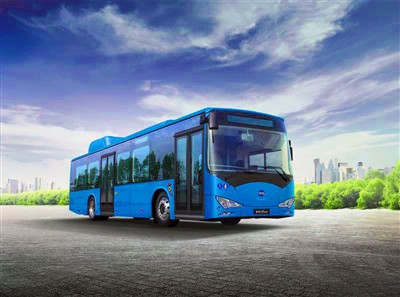
Pure electric vehicles mostly use wind heating, and plug-in hybrid models often use water heating, such as BYD models.
3. Film heating technology (PTC heating film)
Principle:
PTC heating elements are integrated into a flexible film and adhered to the battery surface for heating.
Advantages:
Uniform heating: the contact area between the film and the battery is large, and the temperature distribution is more uniform. Improved safety: the internal resistance is automatically adjusted as the temperature rises to prevent overheating and thermal runaway. Simplified structure: the parallel design reduces the complexity of the wiring harness and facilitates installation and maintenance.
Disadvantages:
Dependence on electricity: similar to PTC, it consumes a lot of power.


