
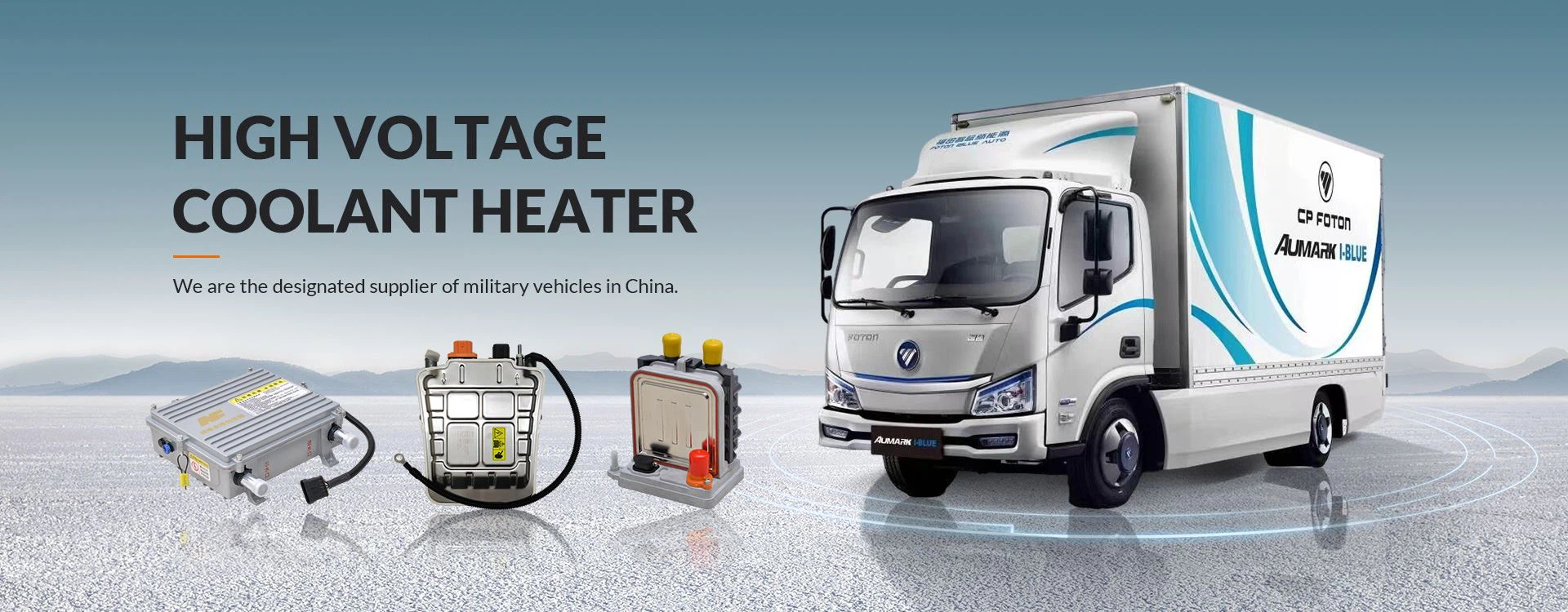
Battery Liquid Cooling Thermal Management System
With the growing popularity of electric vehicles and portable electronics, battery technology is more important than ever. An effective and efficient thermal management system is essential for optimal performance and battery life. One such system is liquid cooling, which has proven to be a very effective way to regulate the temperature of the battery and extend the battery's lifespan.
The basic principle of liquid cooling for batteries is simple. Liquid coolant circulates through channels built into the battery module. This dissipates the heat generated by the battery during operation, improving overall performance and reducing the risk of overheating. In addition, the liquid coolant absorbs excess heat and transfers it to a heat exchanger, which releases the heat into the environment.
One of the main benefits of liquid cooling is that it can provide effective temperature control even under extreme conditions. This is particularly important for electric vehicle batteries, which are often exposed to high temperatures and fluctuating loads. Liquid cooling allows the battery to maintain a safe, optimal operating temperature even under heavy use, ultimately improving performance and extending its lifespan.
Another benefit of liquid cooling is that it allows for more compact and lightweight designs. Compared to traditional air-cooling methods, liquid cooling requires fewer components and can be integrated into the battery itself. This results in a slimmer, more efficient system that is easier to service and maintain.
In addition to electric vehicles, liquid cooling can also be applied to other battery-powered devices such as laptops and smartphones. By employing a liquid cooling system, these devices can operate more efficiently and avoid typical issues of overheating that can affect their performance and lifespan.
Overall, liquid cooling is an effective solution for battery thermal management, offering many benefits including improved performance, longer lifespan, and more efficient design. As battery technology continues to advance, the demand for advanced thermal management systems will only increase, making liquid cooling a valuable solution for a variety of applications.


