Basic structure of
new energy vehicles (1)
1. Body
The body structure of new energy vehicles is significantly different from that of traditional fuel vehicles. First, lightweight design is a major feature of new energy vehicles. To achieve this goal, the body uses many lightweight materials such as aluminum alloy and high-strength steel. The use of these materials not only makes the body lighter but also effectively reduces the weight of the entire vehicle. This move not only improves the vehicle's cruising range and energy utilization but also plays a positive role in reducing environmental pollution.

2. Motor
The motor of a new energy vehicle, as the core component that converts electrical energy into mechanical energy, usually uses an AC asynchronous motor or a permanent magnet synchronous motor. These two motors have their own characteristics and play a vital role in new energy vehicles.
AC asynchronous motors often use induction motors or asynchronous rotor motors. It works based on the principle of electromagnetic induction between electric current and magnetic field, efficiently converting electrical energy into rotating mechanical energy. Because of their simplicity, durability, and relatively low cost, AC asynchronous motors are widely used in new energy vehicles.
The permanent magnet synchronous motor works based on the principle of magnetic anti-phase attraction between electrodes. By controlling the external electric field, the magnet rotates to drive the load. Permanent magnet synchronous motors have higher energy conversion efficiency, power density, and response speed, and are small in size and light in weight. Therefore, its application is increasingly widespread in the field of new energy vehicles.
According to different usage scenarios and specific requirements, new energy vehicles will choose different types of motors. Whether you are pursuing high speed, high power output, or high efficiency, motors are a key component in promoting efficient, energy-saving, and environmentally friendly driving of electric vehicles. They play an irreplaceable role in the development of new energy vehicles.

3. Battery pack
It is composed of multiple battery cells connected in series or parallel, usually using lithium-ion battery technology, which is popular for its high energy density, lightweight, and long life.
The capacity and performance of the battery pack directly affect the cruising range, acceleration performance, and driving comfort of new energy vehicles. Therefore, during the selection and design process of the battery pack, multiple factors need to be considered comprehensively, such as battery type, quantity, voltage, capacity, charging method, and internal temperature control. The reasonable combination and optimization of these factors will help improve the energy utilization efficiency of the battery pack, thus enhancing the overall performance of the vehicle.

4. Electric heater
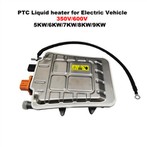
At present, there are two main forms of mainstream new energy vehicle electric heater technology. The first is the regenerative heater, which consists of ceramic electric heating elements, heat storage devices and air ducts. As the vehicle is driven, the heater uses the vehicle's battery to convert electrical energy into heat and stores this heat in the device. When the vehicle is stopped or the battery is low on power, the heater can quickly release stored heat to heat the air inside the vehicle and help defrost the glass.
The other is a heat pump heater, which cleverly uses refrigerant to absorb and release heat energy from the air and waste heat to achieve air conditioning heating and heating functions. Among them, air source heat pump technology is particularly popular in the field of new energy vehicles and is highly favored because of its high efficiency, safety, reliability, environmental protection and energy-saving characteristics.